 Richard Seidl
1 min read
Shift Left
Podcast Episode: Shift Left The idea behind Shift Left is to consider quality as early as possible in the development process. Because the later...
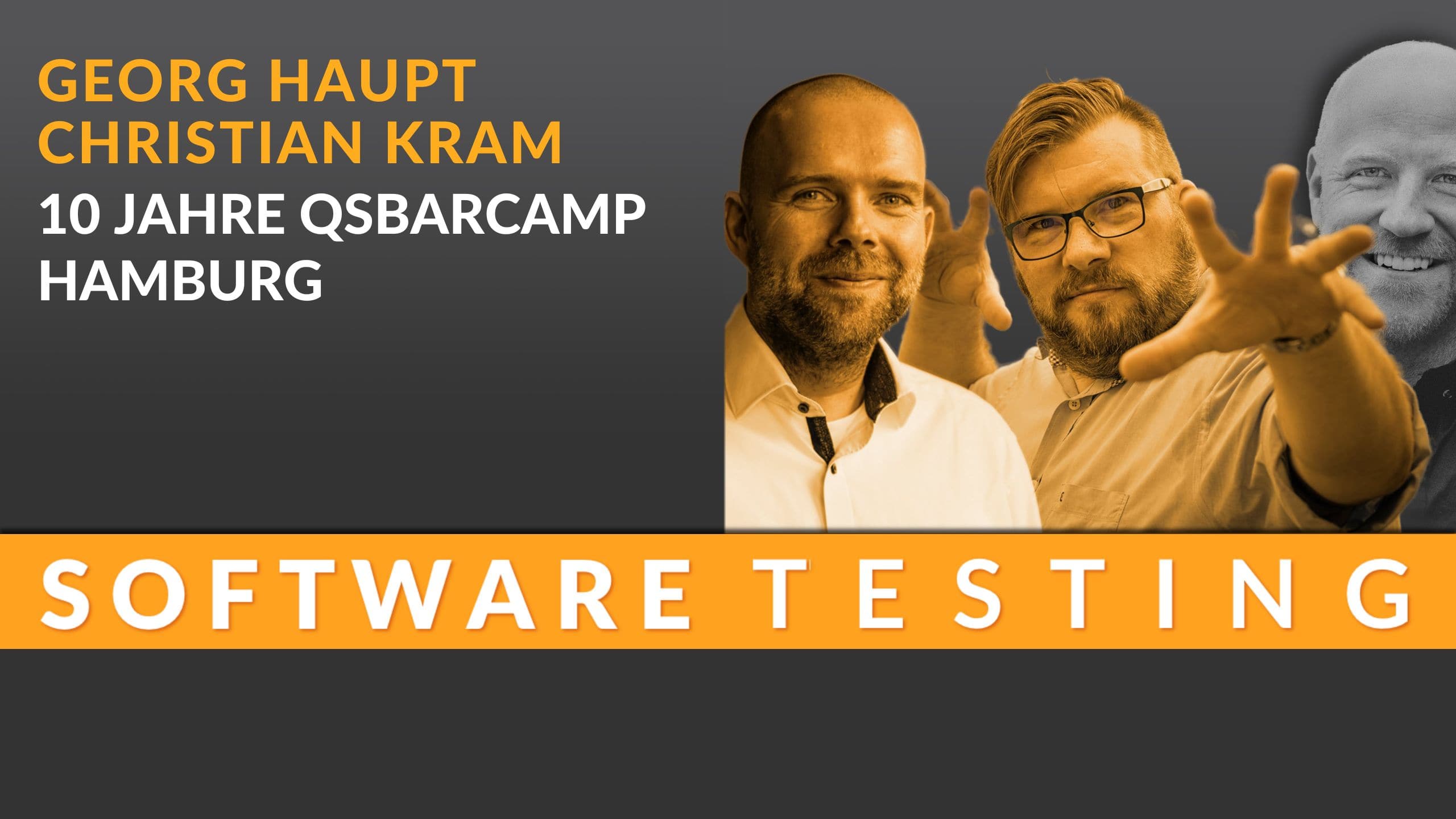
The first full weekend in September in Hamburg has been dedicated to a special format for ten years: at the QS Barcamp, there are no fixed presentations, but rather sessions that are created in the morning at the marketplace - brought by the participants themselves. What sounds like organized chaos works like the law of the feet thanks to clear rules: those who don't contribute or learn anything simply change rooms. Between risk-storming premieres, quality-storming experiments and discussions between banking software testers and forklift embedded developers, an exchange of knowledge is created that is much more intensive than traditional conferences.
In this episode, I talk to Georg Haupt and Christian Kram about the QS Barcamp Hamburg, which is celebrating its 10th anniversary this year. Instead of classic conference presentations, there are structured coffee breaks with real exchange - the topics are brought by the participants themselves, from HR professionals to embedded developers and software testers. Georg and Christian reveal why the law of the feet applies, what happens on the legendary Friday evening and why the community is deliberately kept to a maximum of 80 participants. You will find out how spontaneous sessions turn into collections of tools on entire walls and why many say that this one day is more intensive than many a three-day conference.
"Whatever happens, happens. It may well be that we start a session and end up on a completely different topic." - Georg Haupt
Christian Kram is a trainer and consultant specializing in software testing and agility. For over ten years, he has been helping customers achieve the desired quality in a wide variety of roles - his experience ranges from manual tester in back-to-back testing to test manager in the automotive sector to department head of testing for ERP software.
Georg Haupt is a quality evangelist and his motto is: "From practice for practice!"His mission is to bring the importance of quality to the teams.His professional history is very exciting and varied, from chef to testing guru. As a result, he has gained many perspectives that constantly flow into his work.As a test and quality management expert, he can look back on 20 years of practical experience in both agile and classic software and hardware testing.


The QS Barcamp in Hamburg is celebrating its tenth birthday this year. But what actually happens there? The Barcamp is a meeting place for anyone interested in software quality and testing. The difference to a classic conference is that there is no fixed lecture schedule and no long slide presentations, but above all exchange, discussion and open conversations.
The centerpiece is the so-called marketplace. Anyone can bring in a topic, take a piece of paper and say: "I want to talk about this." This is how the various sessions and workshops are spontaneously created. Anyone who wants to can take part, listen, join in or simply move to another room during the discussion. This principle is called the "law of the feet": you go where it suits you and is exciting.
It starts on Friday evening with a barbecue on the roof terrace. First there is a keynote speech on a current topic, then we eat, talk and discuss together. Many of the participants get to know each other. New ideas for the sessions on Saturday often emerge during these discussions.
On Saturday, the program starts with a big breakfast. Then the marketplace begins: topics are collected, presented and distributed. Anyone who has a slot can, for example, share a knowledge impulse, bring a question or start a discussion. There are sessions in which knowledge is imparted and others in which everyone works together on solutions. A slot usually lasts 45 minutes. Anyone who feels they can't contribute any more simply moves on. In between, there are breaks to continue talking, eating and laughing.
The barcamp is open to anyone interested in quality assurance and testing. The group is a colorful mix. There are developers, testers, test managers, HR specialists, even people from the food industry who are responsible for quality assurance. Some have been regulars for ten years, others are attending for the first time. Students can also attend free of charge.
The sessions are as diverse as the participants. Sometimes it's about test automation, sometimes about the search for the best tools, sometimes about the question of what a perfect tester should be like. The discussions are particularly valuable when, for example, someone is testing software for banks and someone else is working on the control of forklift trucks. Then it's not just about methods, but also about differences and new perspectives.
Many special things have happened at the QS Barcamp over the years. Some methods, such as riskstorming, were presented to the public for the first time at this event. New formats are also often created here - simply because someone has an idea and spontaneously introduces it.
A highlight of every BarCamp is the closing by moderator Stefan Röth. He manages to bring everyone together for a moment, to pause and create that goosebump moment. It doesn't need a big show - just a brief moment of silence and the feeling of being part of something special.
The QS Barcamp is an event of the Hamburg community. Nobody earns money from it. Everything is organized on a voluntary basis, and the local companies sponsor the rooms. Sponsors are important so that the ticket remains affordable for everyone - especially if there is a special T-shirt or sweater for everyone, such as for the anniversary.
The event thrives on a manageable size, around 60 to 80 people. This keeps everything informal and nobody feels lost. Those who pay contribute above all to ensuring good food, drinks and the atmosphere.
Whether beginner or professional - the QS Barcamp is a place where exchange counts. Anyone who wants to get involved, ask questions or share knowledge should keep the weekend free. The impulse to try something new and learn from each other makes the Barcamp something special every year.
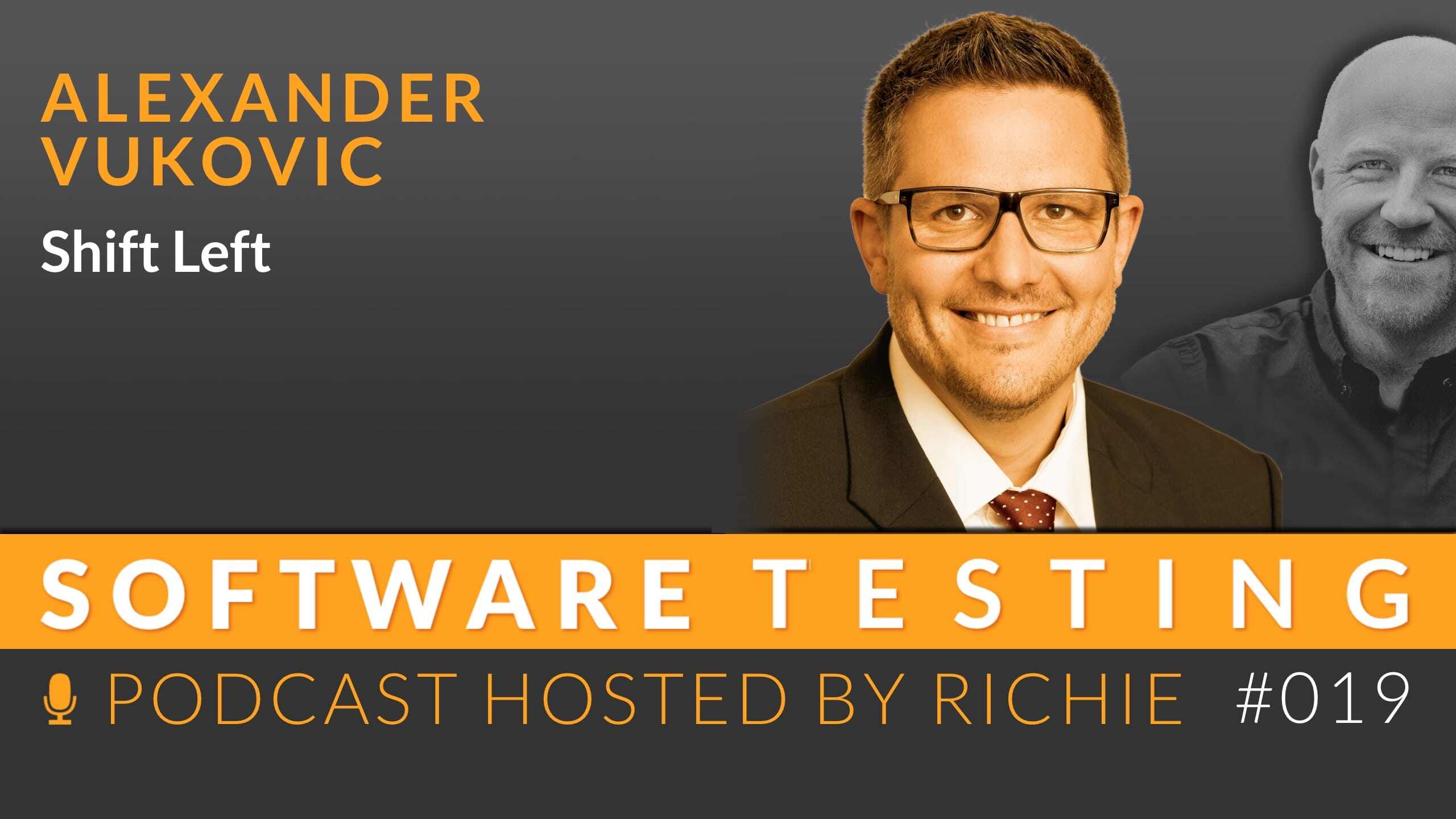
1 min read
Podcast Episode: Shift Left The idea behind Shift Left is to consider quality as early as possible in the development process. Because the later...
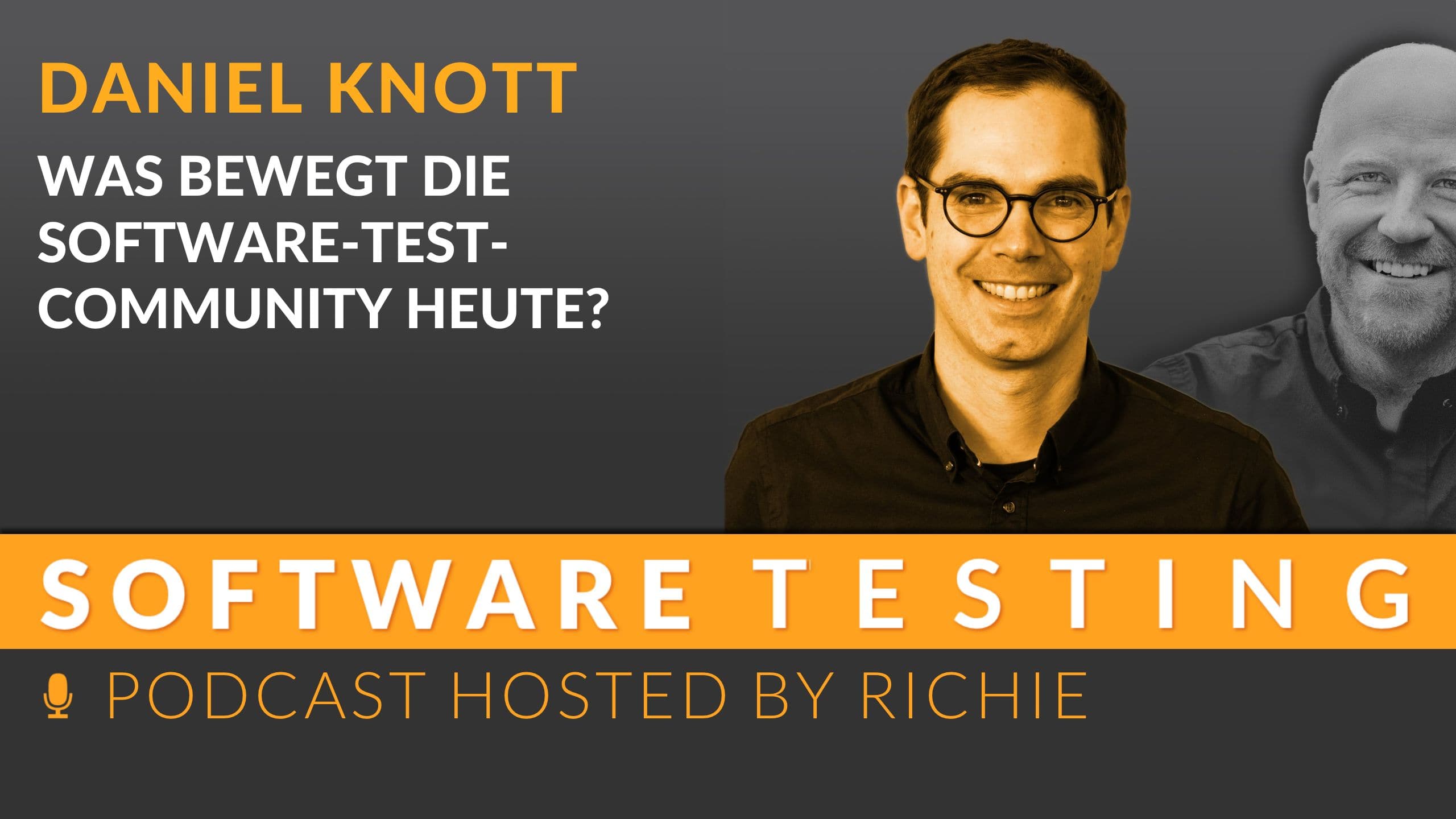
1 min read
Software testing is constantly changing. Artificial intelligence dominates the discussion, influencing test data, automation and role models....
1 min read
Podcast Episode: Quality from an architectural perspective Are quality requirements the same as non-functional requirements? And what are functional...