
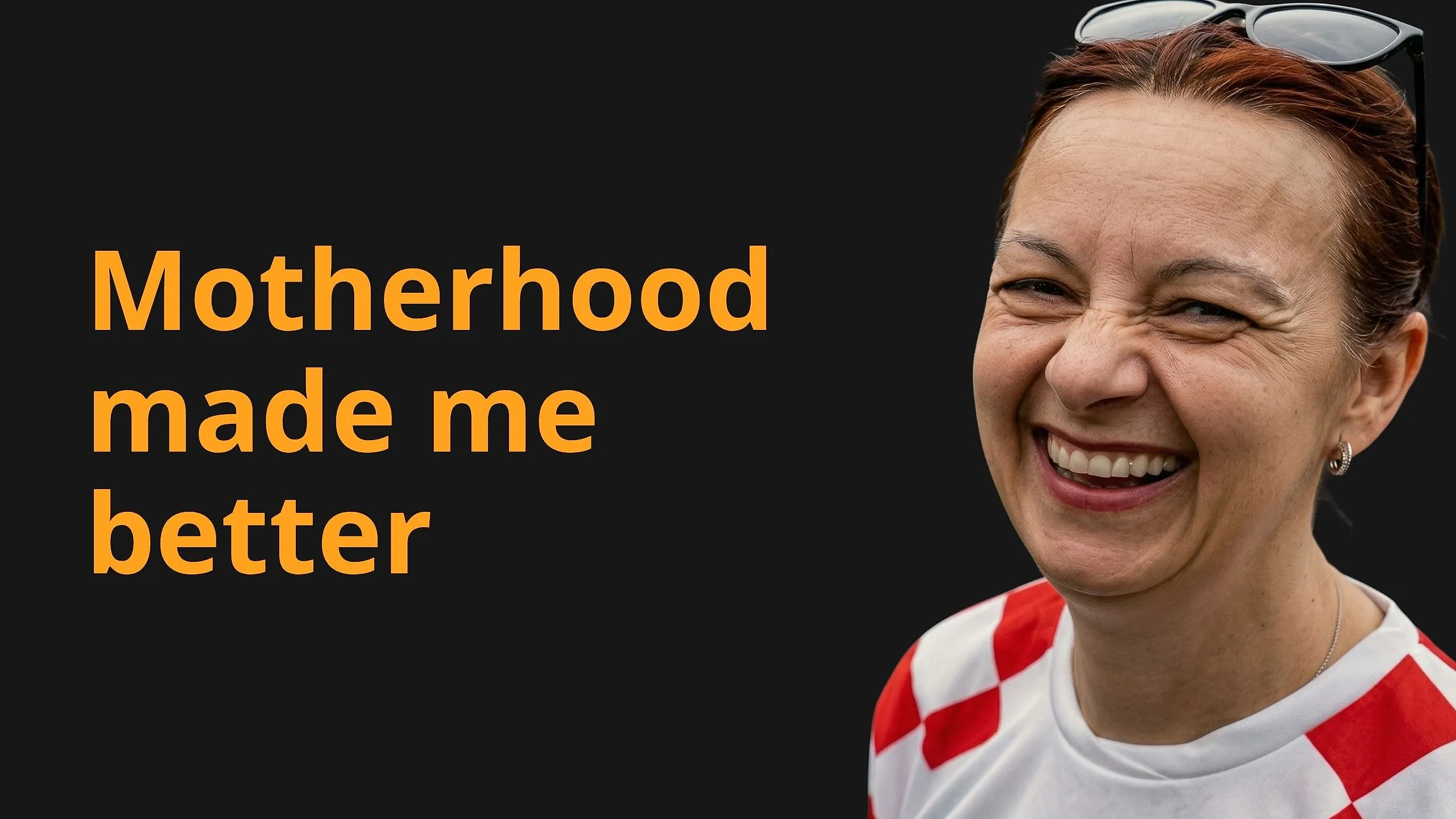
Parenting skills transfer directly into software quality work through three overlapping competencies: precise ownership (naming who is responsible for a task, just as a parent must address a specific child), prioritization under pressure (acting on the highest-risk item first), and inclusive communication (creating space for quieter voices alongside louder ones). Patience and proactive thinking round out the overlap.
Key Takeaways
- Ownership assigned by name gets things done; ambiguous responsibility leaves tickets in the backlog indefinitely, whether at home or in a project team.
- Parenting toddlers on a playground is a live prioritization exercise: protect the child in greater danger first, then handle the next risk, which maps directly to triage under release pressure.
- Asking a colleague to take on tasks when your own list is full is not a weakness; spreading responsibility makes the workload manageable for everyone, just as calling a neighbor for backup at the playground does.
- Quiet team members never get to speak when only the proactive ones hold the floor; a lead’s job is to create space for every voice, not just the loudest.



Parenting is a training ground for testing skills
The skills you build as a parent transfer directly into software quality work. Žaklina Polak Matanović spent years at home raising three daughters before returning to a career in testing and test management, and the parallels between the two worlds turned out to be far closer than she expected.
When you are at home thinking about what to cook or which playground to visit, it can feel like the working world is racing ahead while you stand still. Žaklina describes that exact doubt: the sense that others were building rising careers while she was sinking. The reality looked different once she returned to work.
The skills she picked up at home were not lost time. She absorbed them, made them automatic, and found them useful in testing, in teamwork, and in leadership. The point is not that parenting is a soft topic. It is that the everyday demands of raising children rehearse the same competencies that good quality work depends on.
Why vague requests fail at home and in the bug tracker
If you give an unclear instruction, nothing happens. With three kids in the house, “please pick it up” produces no result. The child who dropped the item is in another room or wearing a headset, and a general appeal lands on no one.
To get action, you have to be precise and assign ownership. Žaklina investigates who left the mess, then asks that specific person to clean it up. The vague request gets ignored; the named request gets done.
The same mechanics govern a bug ticket. What is obvious to you is not obvious to the person reading it. If you assume a developer already knows which environment the error occurred on or which version was running, you assume wrong.
A ticket without an owner can sit in the backlog indefinitely. Ambiguity breaks action. Some proactive colleagues will pick things up regardless, but you cannot build a process on that hope. If you want things done, name the owner and spell out the detail.
This connects to a wider shift in how teams handle responsibility. When everyone is responsible for quality, it can become unclear who actually does what. Stating plainly that a given person owns a given task is a real skill, not a formality.
Prioritization is deciding what you can save first
Under pressure, you act on the greatest danger first and accept that you cannot cover everything. Žaklina frames this through a moment every parent of twins recognizes: two toddlers running in opposite directions, one toward a busy road, one toward a swing. You go to the one in greater danger. The other one is, for that moment, on luck.
A release week works the same way. Too many open tickets, unfinished regression testing, more to do than time allows. You hold the full picture in your head, decide what matters most, and work through the tasks in order.
Prioritization only works when it is shared. Confirm your priority list against the person who owns the release, so you are not optimizing for a different goal than they are. Saying “I can finish these three, the last two are uncertain, let’s see” is honest scoping, not failure.
Everyone has limits, and naming them lowers the stress rather than raising it. Once the team knows what can realistically be done, you can do your work calmly and see what the day allows.
Ask for help before the queue overflows
Spreading responsibility makes the workload feel manageable. On the playground, Žaklina would ask a neighbor or friend to keep an eye on one child while she handled the other. The same instinct applies at work: look for a colleague who is not buried and ask them to take on part of the load.
Parents learn to stay one step ahead. You anticipate what could happen and plan your reaction before the situation arrives. That proactive stance, thinking past the immediate reaction to what comes next, carries straight into a delivery environment under pressure.
Awareness of these skills comes later, not in the moment
You rarely notice these competencies while you are using them. Žaklina was a software developer before her career break and moved into testing and test management only after returning, partly because she felt the development languages had moved on while she was away.
The recognition that parenting had taught her something useful arrived later, with distance. None of it was conscious at the time. That delayed awareness is exactly why the topic is worth naming out loud: people coming back to work after time at home often undervalue what they bring.
The message to anyone in that position is to feel less afraid. There is real value in the experience, even if it does not announce itself.
The traffic runs both ways between work and home
Testing habits shape how you parent, not only the reverse. Žaklina works in a detailed way, asking question after question, a trait she traces back to studying mathematics. On her projects, colleagues value that thoroughness and welcome the open questioning rather than tiring of it.
That same attention to detail comes home with her. She asks her children to care about the details, applying a professional habit in a personal setting. A strength built in one part of life reinforces the other.
The underlying idea is simple. You are one person, not a private self and a work self kept apart. Each part of life reflects in the other, and your strongest skills are worth deliberately sharpening while you bring weaker ones up to an acceptable level.
Patience and inclusion separate good teams from loud ones
Patience is a transferable skill, not a personality quirk. Audience members who heard Žaklina speak offered their own parallels, and one named patience directly: at home you sometimes repeat something once, twice, more. At work, people often expect a colleague to react correctly on the first try, especially colleagues without children. Treating patience as a competence means respecting differences and giving everyone room, which makes collaboration work better.
Inclusion is about making sure the quiet voice gets heard. Another parent described three very different children, one highly proactive, one very quiet. If she only ever listened, the proactive child would always speak and the quiet one would never reach the stage.
If you are on some leader or test team leader, test lead position, just take care that everybody get their own spot. Žaklina Polak Matanović
A team leader carries the same duty. The loudest contributor should not crowd out the rest. Make space for each person, and respect every team member as a whole person rather than a role.