The Hidden Playwright Advantage Developers Miss
Playwright's Python integration packs hidden strengths. See what tools and extras testers use.

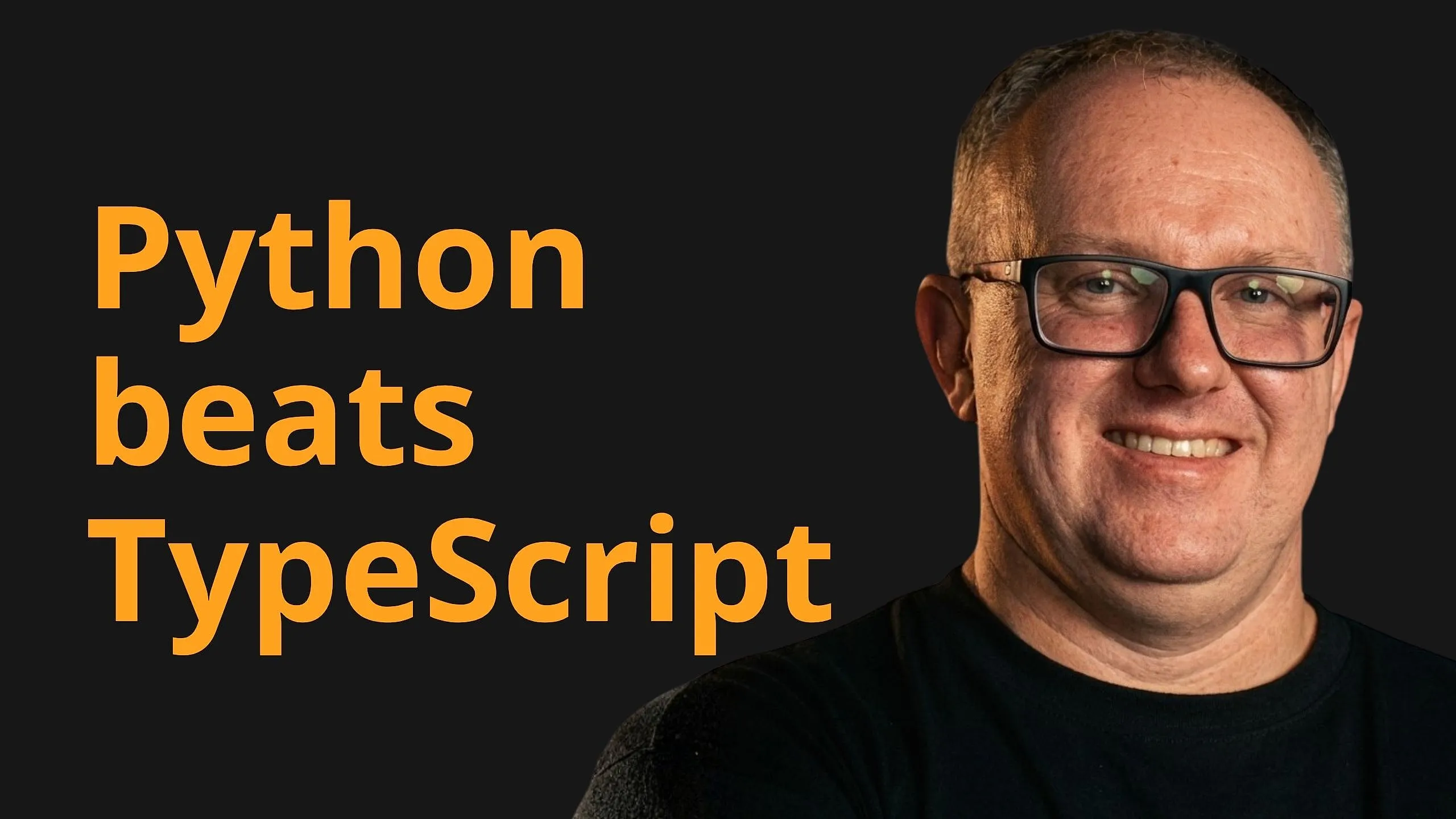
Playwright is everywhere, but most teams default to TypeScript without questioning whether it’s the right fit. Python offers a compelling alternative for software testing teams—especially when stability, debugging simplicity, and flexibility beyond web applications matter more than framework hype. The catch: you need to know which PyTest plugins bridge the gap and where TypeScript’s built-in advantages actually end. For testers already fluent in Python, rebuilding the Playwright experience in their native ecosystem often beats relearning a language built for frontend developers.
Podcast Episode: The Hidden Playwright Advantage Developers Miss
In this episode, I talk with Maciej Kusz, program chair of the Testwarez conference in Poland, about why Playwright doesn’t have to mean TypeScript. Maciej has been using Playwright with Python for years and shows that Python testers can leverage the framework just as effectively—if they know which PyTest plugins to use and where the documentation actually lives. We dig into the practical trade-offs: what TypeScript does better out of the box, where Python offers more flexibility for QA work beyond the browser, and why stable tests are surprisingly easier to achieve in Python’s synchronous world.
“Python by default is a synchronous language. You don’t have this await, async and so on stuff that you have on the JavaScript and TypeScript stuff.” - Maciej Kusz
With 17 years of experience as a QA and 14 years of test automation (Python and recently TypeScript), Maciej Kusz has been testing UI, API, IoT and has been a test lead and architect, mentor and keynote speaker. He is also a co-creator of the SlonzaczQA meetup and was part of the program committee of ConSelenium/Tada and TestWarez. He is also part of Polish Quality Retreat and shares his knowledge in his blog. After hours he is creating an open-source project called MkDocs Publisher, doing some DIY, and playing with 3D printing.



Highlights der Episode
- Playwright’s Python version requires PyTest plugins but offers easier debugging without async/await complexity of TypeScript.
- TypeScript Playwright gets new features first since it’s the native implementation; Python is an adapter.
- Python enables broader testing beyond web—hardware, infrastructure, performance—making it more flexible for testers overall.
- Playwright’s auto-waits, codegen, trace viewer, and bundled browsers solve Selenium’s stability and maintenance problems.
- Visual regression and Electron app testing work better in TypeScript; Python lacks integrated support.
Beyond TypeScript: Exploring Playwright with Python for Test Automation
In this episode of Software Testing Unleashed, host Richie sat down at Poland’s TestBoris conference with Maciej Wyrodek, a seasoned expert on testing and test automation. The two discussed the surging popularity of Playwright—one of today’s top browser automation frameworks—and broke down why Python might sometimes be the better choice over Playwright’s more commonly adopted partner, TypeScript.
Below, we explore the insights from their conversation and expand on the deeper themes around language choice, practical test development, and community support for modern testing frameworks.
Playwright’s Rise and Why Language Choice Matters
With web development and browser automation advancing rapidly, Playwright has quickly established itself as a favorite among testers migrating from Selenium and Cypress. Yet, as Richie and Maciej Wyrodek discussed, many users associate Playwright almost exclusively with TypeScript and overlook its robust Python integration.
Why does Playwright’s language support matter? According to Maciej Wyrodek, “Playwright is built and created in TypeScript… Python version is just an adapter for the TypeScript version.” This precedence means that Playwright’s latest features debut in TypeScript before making their way to other languages. Equally, the TypeScript ecosystem receives integrated tooling (test runners, reporters, visual regression tools) straight out of the box, making onboarding easier for teams with JavaScript/TypeScript backgrounds.
However, Python offers unique value—particularly for testers whose automation needs stretch beyond web UIs and into infrastructure, APIs, and even embedded systems. The language’s flexibility, broad library ecosystem, and accessibility make it a natural fit.
Comparing Playwright for TypeScript vs. Python
Development and Tooling Differences
TypeScript and JavaScript users experience a tightly coupled setup: Playwright’s test runner, reporting functions, and debugging tools are seamlessly built into the ecosystem. Teams with front-end expertise can jump in quickly, leveraging VS Code plugins and first-party documentation.
In contrast, the Playwright Python experience leans on integration with PyTest, Python’s established test runner. As Maciej Wyrodek points out, “you don’t have to create your own test runner in Python version.” But this introduces complexity: documentation is split between Playwright’s methods and PyTest’s features. Setting up features like visual regression testing or rich HTML reports requires additional plugins and configuration work.
Practical Test Writing
Python appeals to those prioritizing simplicity and speed. Its default synchronous execution means newer testers or those less familiar with asynchronous programming can avoid the “async/await” patterns required elsewhere. Debugging is often more approachable, as long as users are comfortable with PyTest’s ecosystem.
However, TypeScript’s tight integration with web development and superior support for testing Electron applications, visual regression, and web components mean certain scenarios are better suited to sticking within Playwright’s TypeScript-first paradigm.
When Python Shines (and When It Doesn’t)
Maciej Wyrodek shared that Python especially shines for testers who need flexibility: “You can test not only web applications; you can test any hardware, you can interact with the infrastructure very easily…” For those well-versed in Python and PyTest, much of Playwright’s TypeScript-side power can be recreated—albeit with integration effort.
On the flip side, certain Playwright features either arrive late in Python or are missing. Testing desktop apps built on Electron or leveraging integrated visual testing is more robust, straightforward, and stable within TypeScript. Python testers often have to develop workarounds or combine plugins, increasing setup time.
Community and Support: Python vs. TypeScript
The Playwright TypeScript community is active, with vibrant channels on forums, Discord, and official documentation. For Python, while fewer dedicated communities exist, modern AI-powered translation tools can convert code snippets across languages, easing the barrier for testers needing to borrow solutions.
As Maciej Wyrodek stated, “Nowadays, there is a lot of things that AI can translate from one language to another… So, you don’t have to look for that community.”
Why Playwright Is Winning Over Testers
Selenium’s historic challenges with waits and brittle selectors led many testers to seek a more modern alternative. Playwright’s “auto waits,” powerful developer tooling (like CodeGen and TraceViewer), and out-of-the-box browser management have lowered the barrier for robust, maintainable UI automation. According to Maciej Wyrodek, the ability to start quickly—with fewer flaky results—explains much of Playwright’s appeal.
Whether you’re a TypeScript devotee or a Python enthusiast, Playwright offers pathways for scalable browser automation. As Maciej Wyrodek stressed, the best tool often matches both your project’s requirements and your team’s strengths. If you don’t already, consider giving Playwright-for-Python a try—you might find it fits your testing even better than expected.
Related Posts

Richard Seidl
•May 21, 2026
Why Testers Are Safe Despite AI Hype

Richard Seidl
•May 14, 2026