 Richard Seidl
1 min read
Control what you can control
Modern product work sits in uncertainty. The piece explores stoic thinking as a practical frame for development and leadership. Progress rests on...
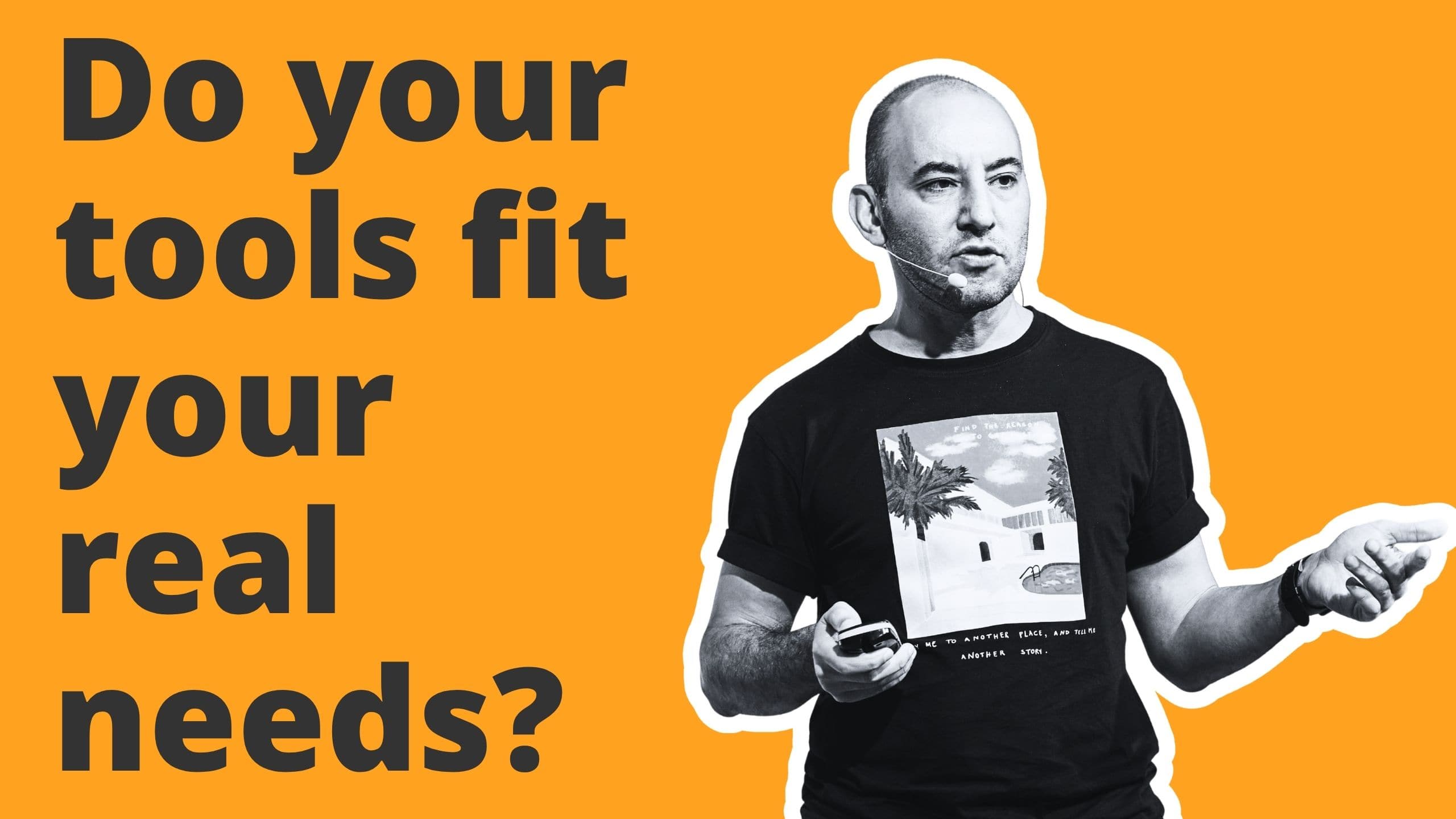
A team faced a simple fact: users were on Safari, their tests were not. The discussion maps a method to pick an end to end test tool by needs over hype. Requirements first: target browsers, reliability, speed, cross language support, CI fit, maintainability. A structured comparison of Cypress, Playwright, Selenium, TestCafe, Nightwatch led to Playwright for speed and broad browser coverage. Architecture matters: shared login and helpers outside specs, clean selectors, clear reporting, trace based debugging, strong docs. Regular reviews reduce lock in and keep quality flow. The quiet lesson is clear: choose for context, then keep evolving with intent.
In this episode, I talk with Mesut Durukal about picking the right end to end test automation framework. Mesut shares why tool choice must serve real needs, not trends. It is a mindset shift from hype to needs. In his case users were on Safari, the team tool did not run there. He mapped needs, compared Cypress, Playwright, Selenium, TestCafe, and Nightwatch, and chose Playwright for speed and broad browser support. We talk about reporting, debugging, and docs. We touch on architecture, like keeping login and helpers outside specs, so migration stays clean. For me, this is tech with agility. Know your goals, grow your system, and review choices often.
"If we go with the wrong tools or wrong alternatives, then we might not be able to cover everything that we are supposed to do." - Mesut Durukal
Mesut has over 15 years of experience in areas such as industrial automation, IoT, cloud services and defense industry, complemented by his expertise in test automation and CI/CD integration. He has held multiple roles in multinational projects including Quality Owner and Hiring Manager and is well versed in CMMI, Scrum & PMP. As a recognized speaker on international stages and winner of the award for the best presentation, he is also involved in various program committees.



In an era where digital transformation and rapid releases are the new norm, quality can’t be an afterthought. In a recent episode of the Software Testing Unleashed podcast, host Richie sat down with Mesut Durukal—a seasoned quality owner and test automation specialist—to discuss the often underestimated decision of choosing and migrating end-to-end test automation frameworks. Their conversation is full of practical insights for anyone looking to make automation work smarter, not harder.
Mesut’s recounting of his own project experience starts with a warning shared by far too many teams: inheriting a tool that doesn’t fit the project’s needs (“…the tool which were already chosen and being used in the project did not support all the browsers that we are supported.”). In Mesut’s case, he discovered that their current framework couldn’t run tests on Safari—a browser crucial for the Japanese market, where iOS dominates.
The tendency to choose tools based on popularity, blog posts, or vendor promises—rather than real project requirements—can be costly. It wasn’t just an inconvenience: it meant that vital test coverage for end users was missing, and the team was stuck with growing risk.
So, how do you avoid this trap? Mesut’s process starts close to home, with introspection about what his test scenarios really need (“…I listed the features that I need to execute my test cases. This was my personal experience.”). But he doesn’t stop there:
The result: a prioritized list of required features, balancing the must-haves (e.g., Safari support, device emulation, custom network requests) with the nice-to-haves (such as execution speed or seamless debugging).
“There is a clear part of it, but there are some gray parts as well,” Mesut admits. Not every requirement is perfectly quantifiable (how fast is “fast enough”?), but defining your non-negotiables will guide you through the next steps.
With a requirements list in hand, Mesut compared the major players in the field—Cypress, Playwright, Selenium, TestCafe, Nightwatch—by looking at both strengths and weaknesses specific to his needs.
Mesut emphasizes that none is objectively “the best”—it all depends on your project’s priorities.
Switching frameworks can be a nightmare—unless you’re prepared. Mesut highlights the importance of reusable code and modular architecture: keeping common actions in helper classes, not in spec files or tool-locked code. This foresight meant that when it was time to migrate test cases, he wasn’t re-writing everything from scratch.
“If I have login implementation in just JavaScript file, so even if I convert from Cypress to Playwright, JavaScript file is there, I don’t have to change,” he explains.
He also notes that emerging machine learning tools can help automate some of the conversion, further reducing manual rework.
Automation frameworks evolve—and so do your products. Mesut’s advice is to keep reviewing your toolset. Don’t assume today’s solution will work forever. Over time, browsers shift in market share, technologies change, and what once was a solid choice may fall behind.
Selecting an end-to-end test automation framework isn’t just a technical decision—it’s about understanding your users, collaborating with your team, setting clear priorities, and architecting with change in mind. Mesut’s real-world experience, as unpacked on the podcast, is a reminder that taking time to ask “what do we actually need?” can save teams hundreds of hours and make quality a driver for business success.

1 min read
Modern product work sits in uncertainty. The piece explores stoic thinking as a practical frame for development and leadership. Progress rests on...

1 min read
In today's software development, integrating security from the beginning is crucial. Many developers often neglect security until it's too late,...
1 min read
Software teams face pressure on speed and cost. Quality often looks like overhead until real numbers tell a different story. Testing works like...