 Richard Seidl
1 min read
Structured Exploratory Testing Strategies That Work
Exploratory testing fails in most organizations because teams treat it as an excuse to avoid planning—or worse, as a chaotic bug bash that surfaces...
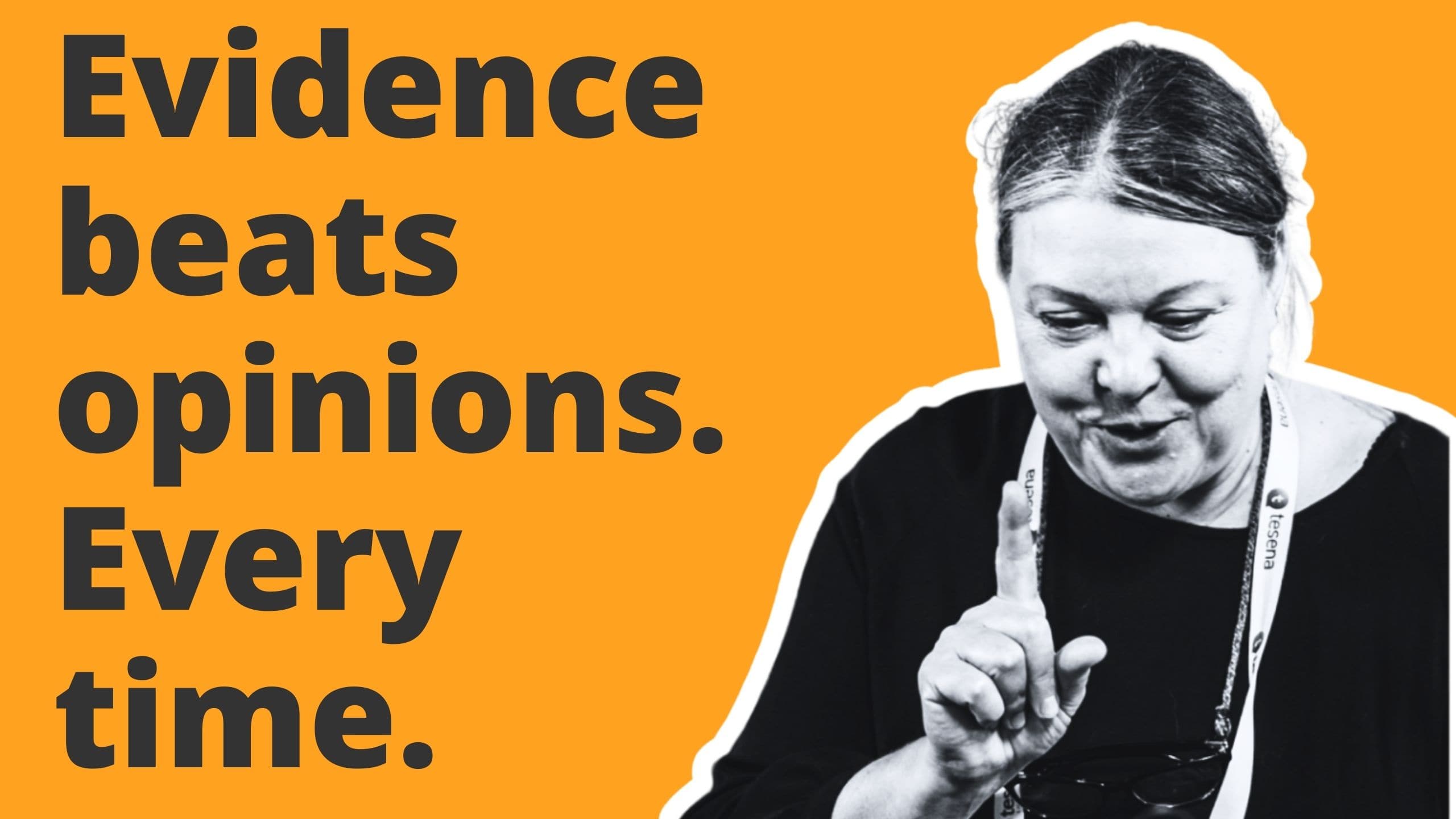
Quality work shifts from gatekeeping to influence. The tester stops saying everything is broken and starts framing impact in business terms. Evidence beats opinion. Say the Safari sign up button fails and 20 percent of users are blocked. Short feedback loops matter. A 15 second check before stand up aligns the team. Pairing early folds testing into development, instead of a mini waterfall at the end. Change grows through small experiments. Try one idea for a week, keep what works, drop what does not. Influence without authority rests on trust, clarity, and habit. In the end, quality becomes a shared practice.
In this episode, I talk with Kat Obring about the tester as an influencer. We explore how to stop saying everything is broken and start speaking the language of stakeholders. Bring evidence, not opinions. Say "the Safari sign up button fails and 20 percent of users are blocked". We share a 15 second check before stand up, and pairing early so testing is part of development, not a mini waterfall at the end. Pick small battles and run one or two week experiments. If it works, keep it. If not, drop it. Influence without authority grows from trust and habits.
"If we cannot work in a team, then we are not going to be successful in this role. It is fairly simple, right?" - Kat Obring
With over 20 years in the software industry, Kat Obring now focuses on what matters most: teaching teams and individuals how to measurably improve the quality of their work. Her practical frameworks combine insights from her diverse experience as a DevOps QA engineer, Head of Delivery, and, surprisingly, her early career as a chef. She's learned that evidence always beats guesswork, and a well-designed experiment will reveal more truth than months of planning ever could.



Quality in software isn’t just about flawless code or a bug-free release; it’s about how teams collaborate, communicate, and continually improve. In a recent episode of Software Testing Unleashed, host Richie sat down with Kat Obering, an experienced QA and DevOps leader, to explore a thought-provoking concept: the tester as an influencer. The discussion delivers not just inspiration, but actionable steps for testers wanting to do more than merely report problems.
Kat begins by highlighting a reality: testers, more than most roles, interact across the whole stakeholder spectrum. From developers and product owners to marketing and ops, testers touch on many priorities. But with influence comes responsibility—the responsibility to adapt your message.
Too often, testers communicate by simply stating that “the quality of this release is horrible,” no matter the audience. While such a statement may feel true, it rarely drives action. The real power lies in understanding what matters to your audience:
For developers: Focus on how bugs cost them time or lead to frustrating context-switching.
For product owners or marketing: Link bugs to user experience, feature adoption, or sign-up conversion rates.
Kat emphasizes, “It may be the same bugs we’re talking about, but they have different impact on different teams.” The lesson? Testers should become adept at framing every conversation around what their audience values, not just what’s broken.
A persisting theme in Kat’s advice is moving from opinion to evidence. Don’t just say, “The sign-up flow is broken.” Tell your product manager, “This button doesn’t work on Safari, and 20% of our users are on Safari—so we’re losing those sign-ups.”
Evidence transforms a complaint into a compelling case for action. It’s easier to argue for fixing an issue when you show real-world impact. Whether you’re speaking to engineers or business leads, bring concrete data to your discussions.
The top-down, 18-month “quality transformation” program is rarely what teams need—or can realistically get behind. Kat proposes a better alternative: small, fast changes that quickly show value and can evolve over time.
A practical example? Instead of enforcing heavy processes to improve requirements, try a simple 15-second check during every stand-up. Before moving a ticket into progress, the team pauses to quickly confirm the requirements are clear. This small adjustment can drastically reduce confusion and late-stage bugs, all without creating unnecessary bureaucracy.
Kat’s favorite changes are those where, “you can see actual impact or assess the effect of your change within a week or two.” Rapid iteration, quick feedback, and the freedom to pivot if something isn’t working—these are what build better habits and lasting improvement.
Recognizing that not everyone is a natural extrovert, Kat shares her own experience as an introvert in multi-timezone, remote teams. Her takeaway: communication style can be adapted. Some may find asynchronous, written communication more comfortable, while others may prefer occasional video meetings.
What matters most is not whether you love chatting, but whether you step beyond silence. Influence isn’t about grand speeches—often, it’s about a well-placed question, a written observation, or simply making space for quieter voices in meetings.
Testers frequently see more issues than they can fix. Kat suggests making a list of all pain points, then evaluating which are small, actionable, and within your (or an ally’s) control. Using techniques like simple impact-importance assessments helps ensure energy goes into winnable changes first. Quick wins reinforce influence, build momentum, and increase your confidence for bigger challenges.
Testers can wield tremendous influence—not by shouting louder, but by tailoring communication, bringing evidence to the table, and championing small, effective experiments. Whether you’re a seasoned QA or new to the role, Kat’s approach is clear: know your audience, build trust with facts, and don’t be afraid to start small. By doing so, testers drive meaningful change without needing formal authority—and help teams deliver software that truly stands out.
1 min read
Exploratory testing fails in most organizations because teams treat it as an excuse to avoid planning—or worse, as a chaotic bug bash that surfaces...
1 min read
Leadership in software testing is often overlooked, leaving teams to manage quality at a local level without broader organizational guidance or...
1 min read
Impostor syndrome is a persistent challenge in the software industry, often affecting professionals who doubt their abilities despite evidence of...