Sometimes You Win Later: Failure Is a Decision
Failure is not a state, it is a decision. What an improv lesson teaches about quitting, sticking with it, and three small questions that help.
Software quality is not created by methods and tools alone. Leadership, collaboration, and the way teams handle uncertainty, conflict, and failure strongly influence whether quality problems become visible early and can be solved together. This topic therefore treats quality as a cultural and organisational responsibility.
The articles and podcast episodes connect leadership with practical teamwork, from communication, psychological safety, and a learning culture to ownership, decision-making, and constructive feedback. They are intended for leaders, testing and quality professionals, and teams that want to develop quality as a shared mindset and daily practice rather than delegate it to a single role.
Failure is not a state, it is a decision. What an improv lesson teaches about quitting, sticking with it, and three small questions that help.

Agile ways of working spark more eye rolls than motivation today. Agile isn't dead, though: now is the time for real agile that is individual and human.
Every mindset grows from experience in the reality loop. A coach who calls a team's attitude wrong is dodging the actual job and their own agile values.
Software developer responsibility grows as code shapes safety, fairness and daily life. Whoever designs the modern world has to weigh what they build.
Integrating Agile software testing ensures quality from the start. Transform your testing mindset with DevOps and automated processes.
Additive bias makes teams add features, code and test cases rather than remove any. Complexity and debt grow, and subtraction is the overlooked fix.

For, against or both: people and teams find it easier to unite against something. Winning over the naysayers takes a goal that appeals emotionally.

Process models rarely run in pure form: most teams mix Scrum, PRINCE2 and the V-model. Processes refined in retrospectives leave room for creativity.
Detox at work starts small: quiet moments during the day and a sprint break in which the team does nothing at all help agile teams avoid burnout.

Legacy systems grow through adapters and wrappers into technical debt. Modernization rarely pays off in the short term, so few companies dare to start.
There is always more than one reason behind what we do at work, some external, some internal. Asking why you really do it breaks unconscious routines.

Individuality brings two challenges: social media distorts which opinions seem common, and endless decisions drain us, self-organization included.
Software teams reach their goals through real effort, not daily busy work: paying down technical debt, deleting old code and slimming processes.
Empathy and self-awareness are what AI cannot reach. Used well, it frees time for people: journalists for research, doctors for talking with patients.

The A4Q SDET certification gives developers the parts of CTFL and CTAL-TTA that matter to them, practiced on real code. Testing becomes a team skill.
Dealing with new technology like ChatGPT works best by trying it out. Banning or ignoring it costs experience, efficiency and new business.
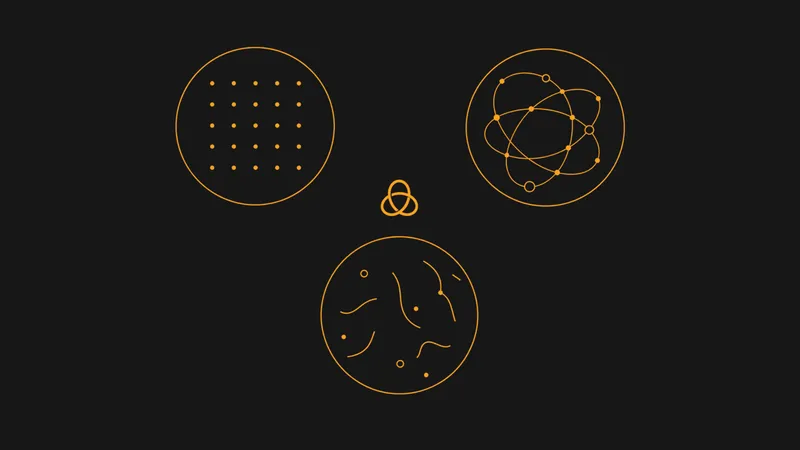
From complicated to complex to chaotic: agile frameworks tamed complexity, but they don't hold in chaos. Now intuition, flow and empathy count.
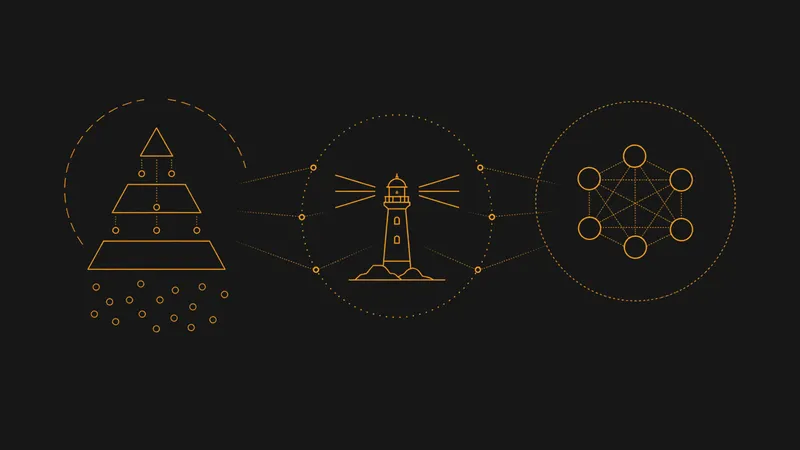
Connecting lighthouses means recognizing the strengths of experts and linking them to a shared goal, between rigid hierarchy and endless consensus.
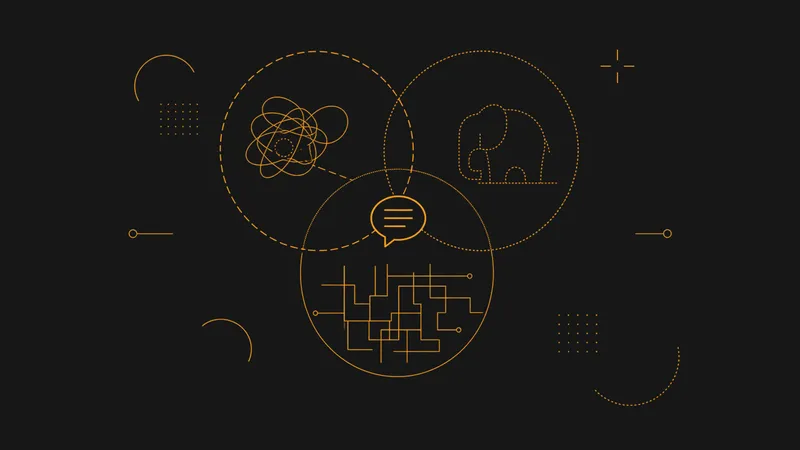
As ising means openly saying what is in the room and how you feel. That saves energy, settles smouldering conflicts and ends meetings full of excuses.
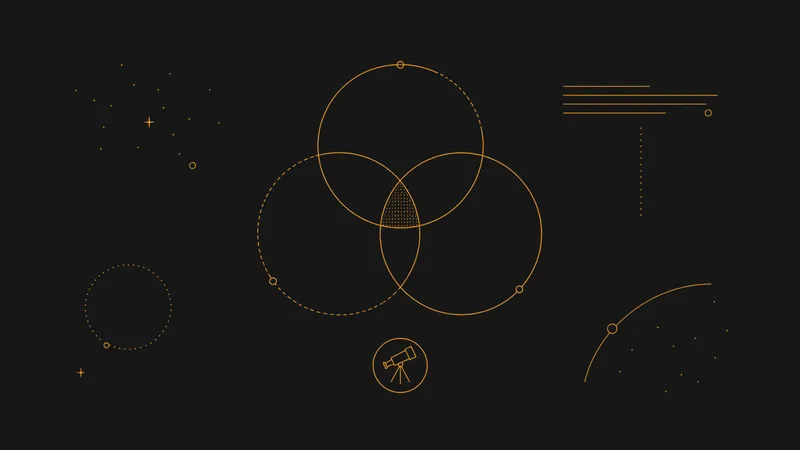
An alien's view of earthly rituals shows how subjective our judgment is, and why habits like slide-heavy meetings deserve a fresh look now and then.

Personal development shapes an agile mindset more than methods do. A team that reflects on values like courage and openness finds its own agile path.
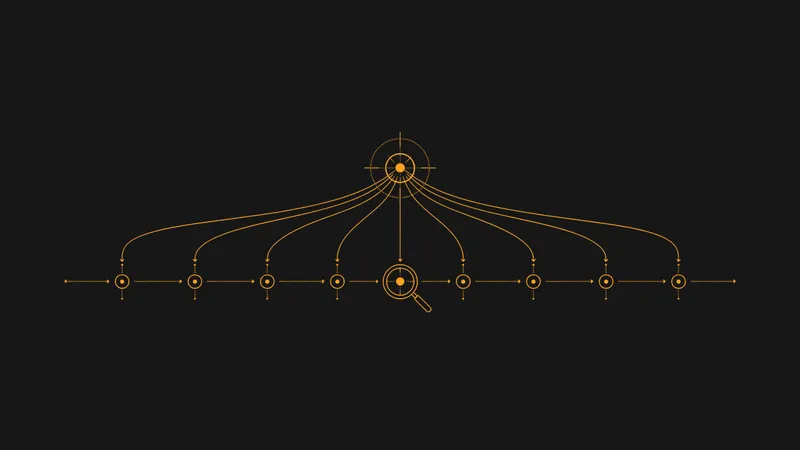
Testing as a craft survives full automation: its outcome depends on the skill of the people doing it. Teams set their quality level consciously.
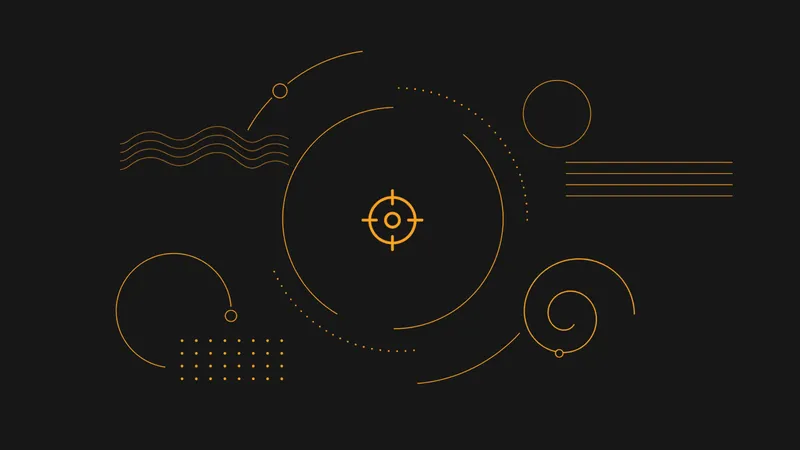
Focus control breaks the problem trance. Pattern interrupters, an upright posture and the improv rule "Yes, and" shift a team's attention to what works.

Future optimism is a deliberate mindset: shifting focus from problem trance to a positive narrative opens up better solutions for teams and society.

Technology as a tool or algorithmic surveillance with a social score? Politicians and corporations won't fix it, so change has to start with each of us.
Everyone has their own model of the world, built from experience and values. Why agility doesn't fit every company and what Netflix shows about rules.
Some teams adopt DevOps within weeks, others give up after a year. The reason lies in the unconscious, shaped by a lifetime of experience.
Agile testing works when the whole team owns quality. Automation alone won't fix it, but patience, freedom for testers and honest retrospectives will.

The Agile Manifesto turned 20 and agility now reaches far beyond software. It remains a mindset that no guru, dogma or purchased framework can replace.

Software quality becomes a team attitude in stages: from testing basics via reflection and experiments to a culture where testing is part of the work.
Agility rests on agile values, principles, and an attitude that keeps teams effective in a VUCA world. Scrum and Kanban are only where it starts.
Digitalization does not end with an online store. It is a process that touches every level, and agile values help handle complexity and uncertainty.

Dreaming utopias like Star Trek helps teams look beyond everyday fuss and define how they really want to work and live together in the future.

Software and its framework conditions have turned from complicated to complex. Agile working helps teams deal with what they cannot know in advance.
Wanting to want is where change starts. Why systems resist it, and why software teams with self-drive and self-responsibility can be its seed.
Digital transformation needs people who grow with it. Copying single Silicon Valley habits leads to fair-weather agility and frustration at all levels.

Zero Inbox keeps the email inbox empty and separates emails from tasks. With this workflow, my daily email time dropped from 2 to 3 hours to about one.
Flow in everyday work grows from a few principles: tasks as projects, small steps with quick feedback, single focus and retrospectives keep me in it.

Flow is a question of mindset. Time management tools help, but it takes the will to change, leaving your comfort zone and regular reflection.

An agile mindset matters more than agile methods. Without openness to change, projects fail despite them, and the mindset helps in everyday life too.
Testers can learn from apps. Instead of only checking requirements, they speak up for the focus and ease of use that business software so often lacks.
Nobody becomes an agile tester by decree. Address testers and developers one by one, give them time, allow mistakes and make sure the work is fun.

Software testing is an established profession, yet testers get better by seeing the app through the customer's eyes and using test methods creatively.
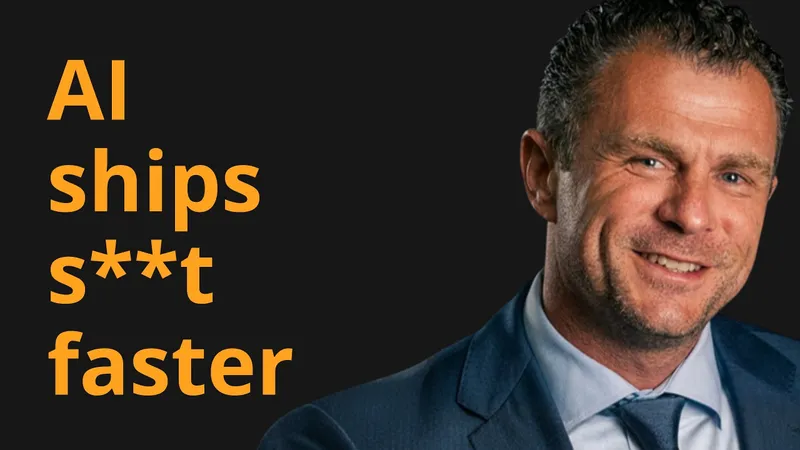
More test automation does not mean better quality. Why flaky AI tests, missing strategy, and the wrong roles quietly hollow out your test suite.
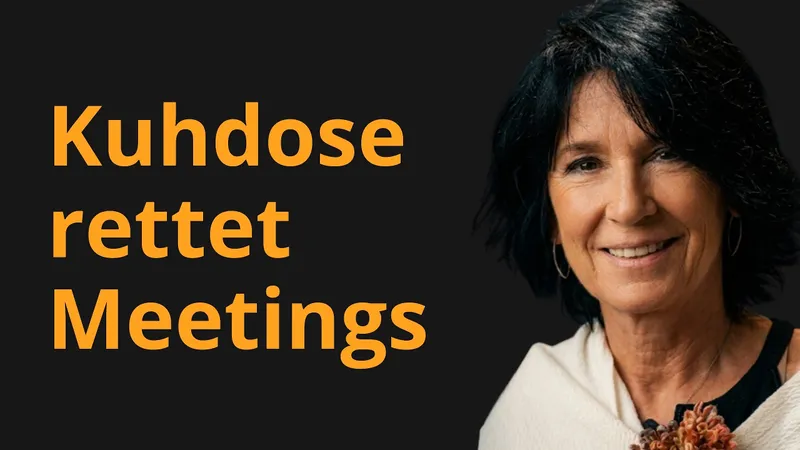
The ISTQB boards of Germany, Austria and Switzerland share one back office, which has kept their volunteer work running for up to 20 years.
Lean management starts with understanding a problem instead of rushing to a quick fix. That breaks the repeat cycle and exposes waste teams overlook.
A Quality Sprint tackles persistent quality issues in one workshop day with all stakeholders, ending in three to four next steps with clear owners.
Resilience in software projects starts with accepting bugs rather than avoiding them. What bacteria and moths teach about trends and testing hypotheses.
Testing complex systems: complex vs complicated, and why software behaves more like weather than a bridge. Safe-to-fail experiments help teams learn.
Diversity in software teams matters: homogeneous teams build products that reflect only one perspective. Design, psychology and sociology fill the gaps.
Holistic engineering treats career frameworks, delivery pressure and feared monoliths as architecture variables. Ignoring them makes change harder.

QA training for autistic adults works with clear instructions, time boxes and a fixed contact. Repetitive regression tests play to autistic strengths.
TMMI shows companies where their test processes stand and what comes next, from basic planning to preventing defects before they arise.
Positive leadership ties appreciation to measurable results. The PERMA model names five evidence-based strategies for well-being and performance.
Agile meant something once. Now it means almost nothing, and that loss created a real opening for organizational development that actually fits.
Heavy AI use erodes trust in teams: colleagues seem infallible, and friction and social learning fade. Strong teams onboard AI like a new team member.
Software tester skills start with communication: a bug nobody understands stays unfixed. Critical thinking counts when AI confirms wrong assumptions.
Barriers to innovation in German corporations start with excessive processes. AI won't pay off either while nobody cleans up decades-old data silos.
Business agility is ailing in many companies, but not dead. Two emergency medicine checklists show where it hurts, and often one method less helps most.
Building a QA culture starts with listening: map what quality means to each role, win budget with defect costs and change one thing per quarter.
The business value of testing shows up in money: regression time, support costs, failed releases. Automating a product about to change can lose money.
AI agents earn trust through checks, guardrails and clear requirements. Testing them tracks trends and mean time between failures, not single runs.
Flaky tests don't just slow down CI, they erode trust until engineers stop believing the build. Here's how to fix that.

Women still navigate assumptions in tech that men rarely face. Here is what assertive-but-kind communication actually looks like in a testing team.
Learning from failure starts once the sting settles, then you analyze the mistake as a case study. What a 4,000 euro error taught about growing from it.
Parenting three kids sharpens skills you never expected at work: ownership, prioritization, patience, and knowing when to ask for help.

Test reporting in 5 steps: Goal, position, forecast, data quality and automation. How reporting becomes a real management tool.
Testing economics turns quality risks into numbers managers use: lost hours, lost deals, customer churn. Cutting visible waste first earns credibility.

EuroSTAR's call for papers drew 527 submissions for about 50 slots. The program chair explains how talks get picked and what makes one stand out.
Public speaking at tech conferences gets easier with recorded rehearsals, square breathing and slides that hold hints. Stories beat experience reports.
Startup software testing begins with testability and customer focus, not formal processes. Outnumbered testers have to speak up, even to management.

Quality metrics mislead when they stand alone. Pair mean time to resolve with reopen rate, pass rate with escaped defects, and keep the set small.
Testers show thought leadership by questioning outdated practices, breaking up silos and coaching with open questions. Humans still judge look and feel.
Two years of exploratory ensemble testing in a real project: What the method brings, where it gets stuck and why testing is suddenly fun.
Error culture sounds good on the vision board, but collapses at the first real bug. What really helps before the stress comes.
Developer experience is measured by four DORA metrics, and testers influence each one. An isolated test environment per developer shortens lead time.
Informal networks shape how teams actually work, far more than any org chart does. Here's why trust, not process, drives real collaboration.
Autism in software testing: any deviation from a learned pattern sets off an alarm. An autistic tester on finding bugs without searching, and its cost.
Remote team leadership makes the team's work visible to management. Leading remote teams well takes blameless failure reports and email over chat.
Quality Storming combines Event Storming with HACCP from food safety to show where errors creep into development, long before anyone tests.

The testing conference HUSTEF grew from 150 attendees to 705 tickets with coaching for first-time speakers, a Career Clinic and masterclasses.
AI bias spreads because people adopt it from algorithms even faster than from humans and rarely notice. Comparative data keeps AI decisions in check.
Tester visibility suffers because the output is an absence of bugs. Exploratory sessions on the team board, shared artifacts and coaching change that.
Well-being at work starts small: coffee talks without work topics, a one-word intention per meeting and one minute of belly breathing before stand-ups.
Software testing is hard to teach at university because small exercises hide the benefit. Complex projects, TDD and testable architecture make it click.
Context in software testing decides what good testing looks like. In context driven testing, "it depends" is the honest answer, not an evasion.

In a software testing career, listing only bugs in an interview undersells you. Asking what keeps the team up at night opens a better conversation.
Given-when-then scenarios pay off when business and tech write the examples together. BDD is not a testing technique: the scenarios drive the code.
Testing collaboration improves when business, testers and developers build one model: a single workshop yields better requirements and ready test cases.
Tester influence is influence without authority: frame each finding for its audience. A 15-second check at standup does more than a big program.
A test design board game built for checkout software produces around 24 new test cases per round, including tricky promotions, for the next release.
In cross-functional teams, when everyone owns quality, no one really does. Why these teams lack deep testing skills and how testers still add value.
Quality as an attitude beats test case checklists. Good testing needs solid methods, automation and trust in the people who vouch for the results.
Nonviolent communication gives testers four steps: observation, feeling, need and request. It lets QA teams raise hard points without blaming anyone.
Developer friendliness costs time short term, saves it long term and makes teams happier. REST mocks and test interfaces show how it works.
Resistance to change targets the process more than the idea. Skeptics spot risks that advocates miss, and questions move people more than data.
Remote testing works in agile teams when external testers join stand-ups and team chats. Hour quotas and a four-stage process get them going in a week.
Built-in quality often breaks not in the team but one layer above, in management. How small practices, not frameworks, keep quality from slipping.
Security by design starts with threat modeling any team can run, layered defenses and secure defaults. Security bolted on in the last 10% stays thin.
Collaborative software design puts developers, testers, architects and business experts around one model. Event storming exposes hidden assumptions.
Team autonomy grows when teams solve problems together. Psychological safety makes that possible, but one careless remark can undo weeks of work.
An agile retrospective often yields the same sticky notes. Five phases after Derby and Larsen, data before judgment and small, concrete next steps help.
The Swiss Testing Board grew from an SAQ working group and brought measurable learning objectives based on Bloom's taxonomy into the ISTQB syllabi.
A leader in software testing builds a quality culture. The ACT2LEAD model gives eight principles, from transparency to risk and diversity.
Only 6% of testers fit the classic IT stereotype. Arts graduates, boat builders, urban planners: the data on who actually does testing reframes how we recruit.

HUSTEF drew 260 submissions for 36 slots in 2025. Why the nonprofit conference in Budapest, held since 2011, sits on a par with EuroSTAR.
QA coaching replaced central control: eight people support over 100 applications, and an unread test manual became guardrails that teams accept.
Nonviolent communication has four components: Observation, feeling, need, request. What this looks like in everyday testing.
At Signal Iduna, insurance specialists automate their own acceptance tests. With simple tools and coaching, a release check now runs in three minutes.
Many podcasts die after three to seven episodes, because the production effort is set too high. Conferences are the best source of guests for new shows.
Informal networks are who people actually turn to when things go wrong. Why they decide how fast teams adapt, and why you cannot order them into being.
Quality coaching in SAFe closes the gap between teams on a release train through requirements coaching, process workshops and defect management.
Only 6% of surveyed testers fit the tester stereotype. Many come from boatbuilding, theater or urban planning, and degrees barely predict their roles.

Code readability depends on working memory, which holds about four chunks at once. Good naming, few arguments and no side effects respect that limit.
Without test leadership, testing culture stays stuck at team level. The ACT2LEAD model bundles eight principles, from transparency to diversity.
Organizational intelligence shows in how well teams learn together. Retrospectives are the biggest lever, pure efficiency leaves little room to adapt.
Impostor syndrome can't be argued away with logic. Knowing the term, talking openly with peers and contradicting your inner critic help break the cycle.
Quality in software development moved from a late test phase to a team task. Now AI forces the question many teams never answered: what is quality?
From tester to QA lead: the human challenges outweigh the technical ones. Leading a small project first shows whether a management role suits you.
The testing profession has become a team task, since quality belongs to everyone in an agile team. Experience counts for more than knowledge alone.

Secure by design means building security in from day one, not bolting it on later. What defense in depth, secure defaults and threat modeling look like.
A quality coach helps teams find their own solutions instead of handing them down. Three Amigos and a community of practice shift the mindset.
Security audits work best as a habit: draw a baseline, run security checks in the pull request and fix a few findings whenever you touch the code.
Why do well-intentioned impulses in a team so often fizzle out? Systemic consulting explains how connectivity determines impact.
Post-agility has turned agile into a vague umbrella term. Kotter, Satir and Tribal Leadership show why change fails and why small steps get further.

Swapping a grown XML test monolith for Robot Framework took a year, a custom .NET remote library server and one developer freed from release duty.
Stoicism helps product teams judge a decision by how it was made, not how it turned out. Its tools: premeditatio malorum, 10-10-10, a decision diary.
Since 2011, the German Testing Day has been shaped by a board of end users with no vendor interests: practical talks, open formats, unusual keynotes.
Team conflicts carry energy a team can use. Up to Glasl's stage three, managers can resolve them; from stage four, outside facilitation is needed.

Remote teams can work better together than office teams, but only on one condition: Knowledge must be networked, not people.
Zero trust implementation starts with a shared definition, or everyone talks past each other. Telekom uses six aspects, from network to monitoring.
The DevOps CALMS model (culture, automation, lean, measurement, sharing) turns a battle cry against burnout and waste into daily team practice.
15 years, a scientific track with Springer publication and speed dating: what sets Software Quality Days apart from other testing conferences.

Quality assurance can't be one compulsory lecture. Measurement, resource limits and sustainability belong in every semester of a degree.
Quality assurance at Otto works without a testing team. 15 quality specialists coach 60 teams, helped by Quality Buddies and consumer-driven contracts.

Teams often make architecture decisions while coding, without noticing. Double pairs, a long-term view and mob programming make them a team effort.
Does Continuous Everything really improve quality? Six years of data show trunk-based development smooths out the defect peaks around each release.
Domain storytelling is collaborative modeling: users tell stories from their domain, the team draws actors, work objects and activities as a diagram.
Software testing starts with clarifying the assignment, or errors surface late and get expensive. One of several lessons testers can take from coaching.
Team alignment with OKR needs three to five early metrics, health metrics as a counterweight and a neutral facilitator who guides goal setting.
Overcoming resistance to change means addressing the transition and the identity people lose. Skeptics become allies, and emotion beats slide decks.
Liberating Structures like 1-2-4-All, Troika Consulting and TRIZ end meetings where everyone nods at the boss. Testers use them to uncover risks.

Moving from monolith to microservices works by cutting out domains step by step, backed by CI/CD and resilience tests. Greenfield rebuilds rarely last.
Four to six people, one keyboard, real code: ensemble programming and ensemble testing bring testers and developers together where meetings fail.
Mental health at work starts with talking openly. Once one person breaks the silence, colleagues open up, and a bad day no longer gets misread.
A software inspection finds errors early, before fixing them costs ten times more with each phase. Perspective-based reading helps, bosses don't.
Quality as an attitude makes quality the whole team's job. Good test cases, static analysis as a hard gate and test automation back it up.