Tester Influence: Frame Bugs by Business Impact
Tester influence is influence without authority: frame each finding for its audience. A 15-second check at standup does more than a big program.
Learn from global testing leaders and innovators.
Tester influence is influence without authority: frame each finding for its audience. A 15-second check at standup does more than a big program.
Switching test automation frameworks mid-product is messy, yet a Cypress to Playwright move works. Pricing forced it, AI translated the tests.
In cross-functional teams, when everyone owns quality, no one really does. Why these teams lack deep testing skills and how testers still add value.
Nonviolent communication gives testers four steps: observation, feeling, need and request. It lets QA teams raise hard points without blaming anyone.

Teaching test automation in Vilnius starts with scripts, APIs and performance tests. Test plans come later, once students have seen systems break.

Resistance to change targets the process more than the idea. Skeptics spot risks that advocates miss, and questions move people more than data.
Built-in quality often breaks not in the team but one layer above, in management. How small practices, not frameworks, keep quality from slipping.
Property-based testing generates test cases from a specification and found a 17-step LevelDB bug. It gets costly when every test run is billed.

Security by design starts with threat modeling any team can run, layered defenses and secure defaults. Security bolted on in the last 10% stays thin.
Collaborative software design puts developers, testers, architects and business experts around one model. Event storming exposes hidden assumptions.

Team autonomy grows when teams solve problems together. Psychological safety makes that possible, but one careless remark can undo weeks of work.
Holistic testing makes the whole team own quality, with testing at every stage of the DevOps loop. Shared understanding early prevents costly rework.
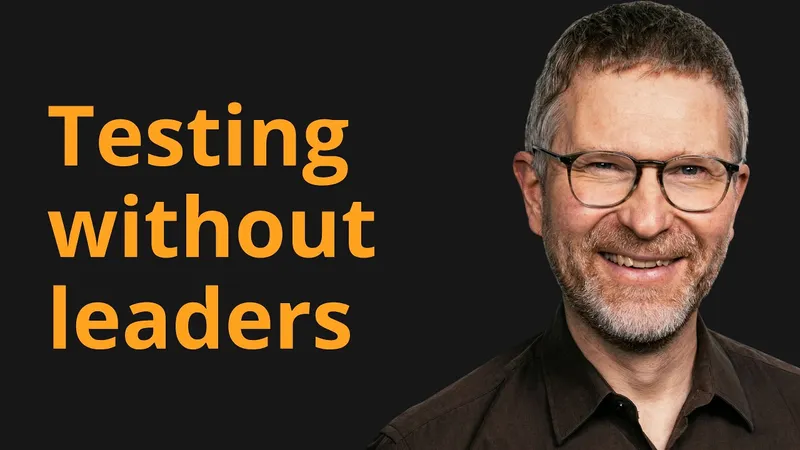
A leader in software testing builds a quality culture. The ACT2LEAD model gives eight principles, from transparency to risk and diversity.

Most testers know test case design techniques but rarely use them. Four groups, five techniques, and the right selection logic change that.
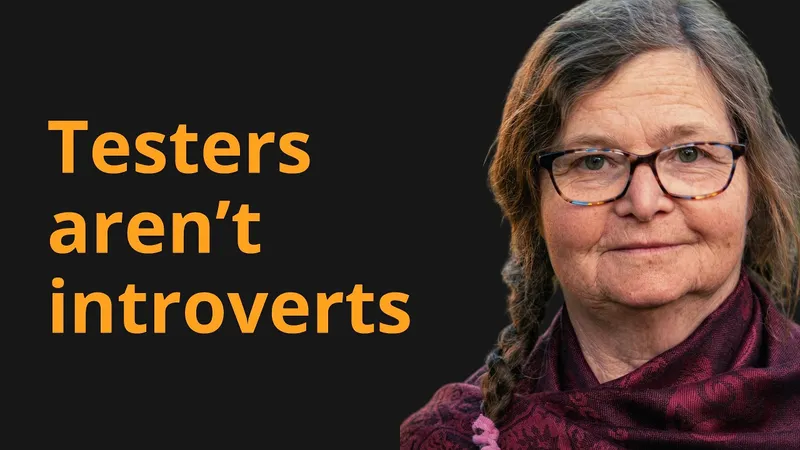
Only 6% of testers fit the classic IT stereotype. Arts graduates, boat builders, urban planners: the data on who actually does testing reframes how we recruit.

AI code generation pushed up code churn and duplicates on GitHub by early 2024. Testing, precise questions and fundamentals set developers apart.
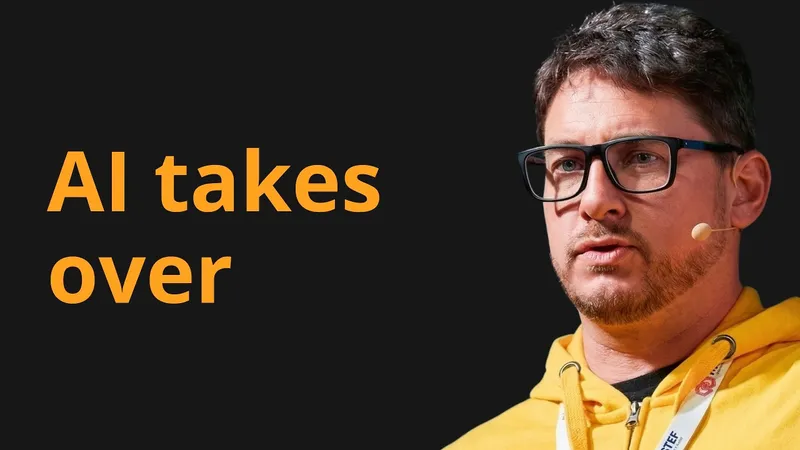
AI agents in software testing need what a new hire gets: a selection process, a probation period, and ongoing performance checks, not fixed outputs.
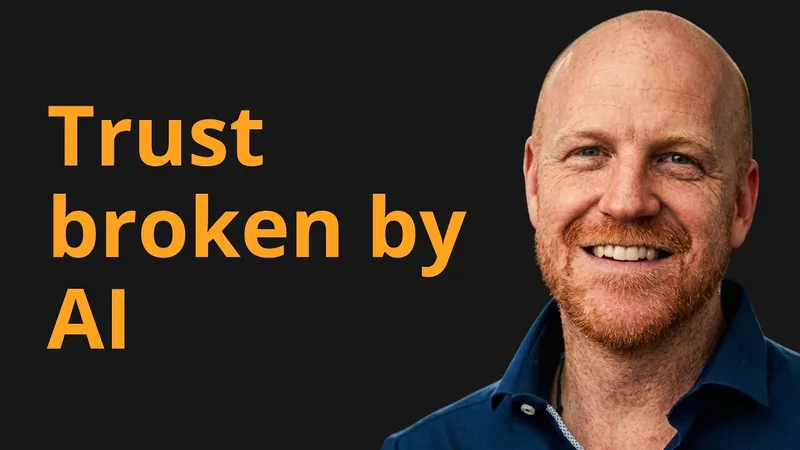
Over 25 years of software testing, the tester swung from separate specialist to quality coach in the team. Now AI makes quality everyone's job.