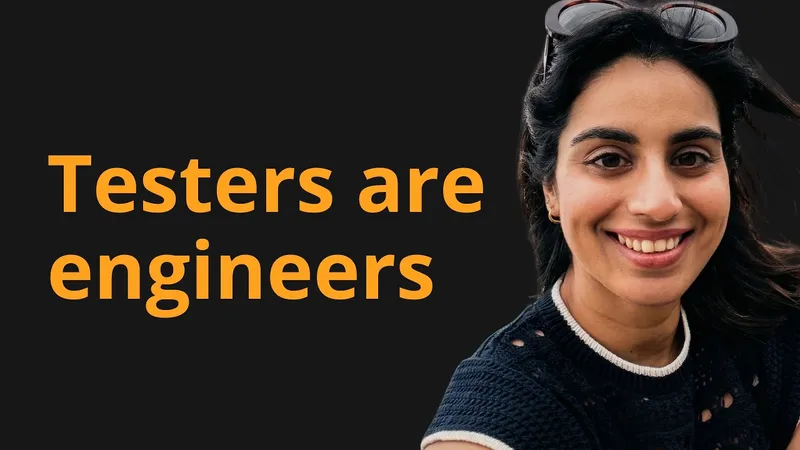
Thought Leadership in Testing: Question Outdated Practices
Testers show thought leadership by questioning outdated practices, breaking up silos and coaching with open questions. Humans still judge look and feel.
Learn from global testing leaders and innovators.
Testers show thought leadership by questioning outdated practices, breaking up silos and coaching with open questions. Humans still judge look and feel.
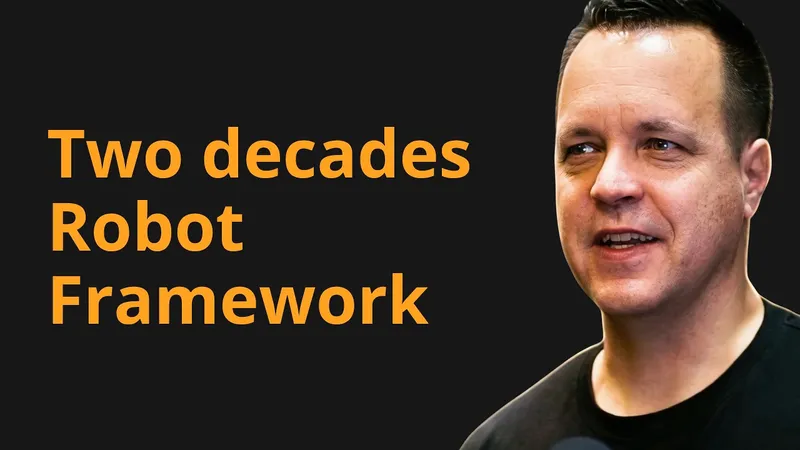
Pekka Klärck began Robot Framework as his master's thesis in 2004. Over 80 companies now back its foundation, and its generic core fits mixed stacks.
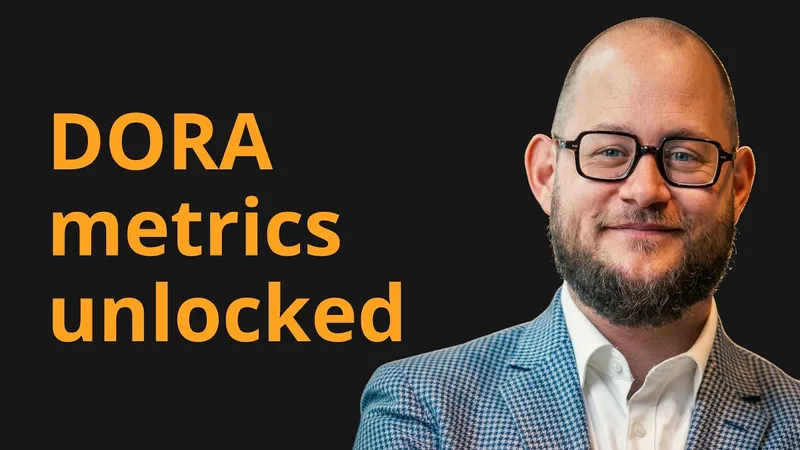
Developer experience is measured by four DORA metrics, and testers influence each one. An isolated test environment per developer shortens lead time.
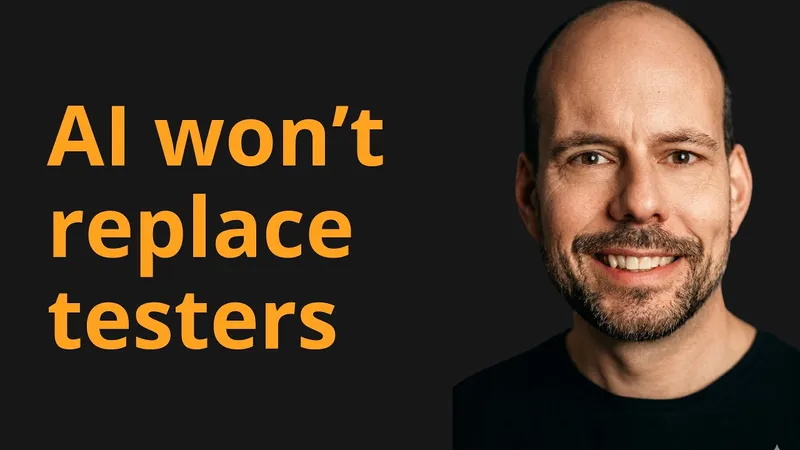
Testing in 2025 got faster with AI for test cases, scripts and test data, and accessibility became a legal duty. Next up: orchestrating AI agents.

Informal networks shape how teams actually work, far more than any org chart does. Here's why trust, not process, drives real collaboration.
The software tester role moved from early automation to model-based testing to AI in 25 years. Learning fast and delivering bad news well count most.
Remote team leadership makes the team's work visible to management. Leading remote teams well takes blameless failure reports and email over chat.
A test automation strategy starts with the problem, not the tool. Map current and target state on the test pyramid; the gap is your scope of work.
Performance testing vs. load testing: capacity tests every sprint waste cloud budget. The real question is how a system behaves and what it costs.

The testing conference HUSTEF grew from 150 attendees to 705 tickets with coaching for first-time speakers, a Career Clinic and masterclasses.
Tester visibility suffers because the output is an absence of bugs. Exploratory sessions on the team board, shared artifacts and coaching change that.
Stoic decision-making separates the quality of a choice from luck. Premeditatio malorum, the 10-10-10 rule and a decision log make it daily practice.
Software testing needs logic and imagination alike. What da Vinci's curiosity and love of simplicity teach testers about reports people understand.
Well-being at work starts small: coffee talks without work topics, a one-word intention per meeting and one minute of belly breathing before stand-ups.
Choosing an end-to-end testing framework starts with needs like Safari support, speed and mobile emulation. Cypress, Playwright, Nightwatch compared.
Context in software testing decides what good testing looks like. In context driven testing, "it depends" is the honest answer, not an evasion.
Given-when-then scenarios pay off when business and tech write the examples together. BDD is not a testing technique: the scenarios drive the code.
Software testing value gets lost when testers pitch defects. Revenue and user satisfaction make a stronger case, and domain knowledge matters more.