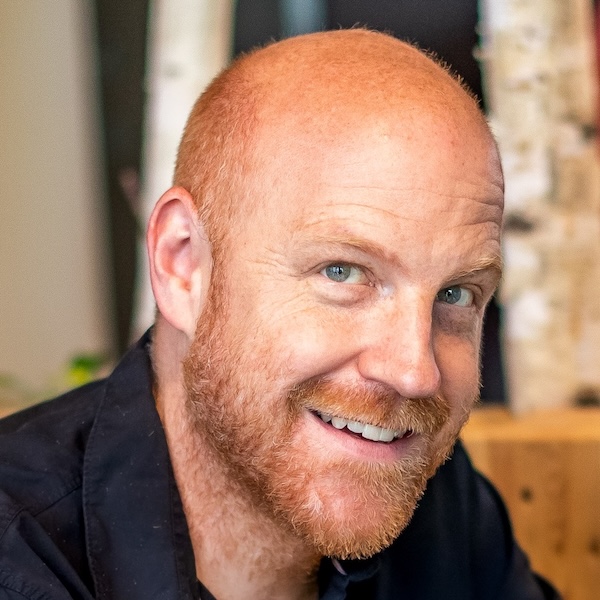

The Istanbul Software Testing Conference (ISTC) is an on-site software testing conference that connects testers from Europe and Asia. It started after major Turkish testing events moved online during the pandemic. Its third edition in 2026 drew over 120 talk submissions and 20 percent international participants. Simultaneous English-Turkish translation runs in every track, so nobody feels excluded.
Key Takeaways
- The Istanbul Software Testing Conference started because Turkey’s main testing events stayed online after the pandemic, leaving testers without a physical place to network and exchange ideas.
- International participants made up 20 percent of the 2026 audience, and that share has grown with each edition since the first year drew 200 attendees.
- Six program committee members reviewed every one of the more than 120 submissions for the third edition, a workload Okan Çakmak expects to outgrow as international submissions rise.
- The conference will return from three parallel tracks to two, because participants reported that choosing between three sessions at once was too difficult.
- Simultaneous translation runs in every track all day, so speakers can present in Turkish or English and no participant feels excluded by language.



Why did Istanbul need an on-site testing conference?
The Istanbul Software Testing Conference (ISTC) exists because the major testing events in Turkey moved online during the pandemic and never came back. That shift left a gap. Testers lost the physical space where they could network, exchange ideas face to face, and hug each other, none of which an online conference can offer.
The spark came from abroad. Okan Çakmak, founder and organizer of ISTC, spoke at HUSTEF, the Hungarian Testing Forum, three years before the conference’s third edition. He came back inspired by the energy of the Budapest testing community and asked himself why Istanbul had nothing comparable.
Okan discussed the idea with Rik Marselis, whom he calls the godfather of ISTC. Together they considered organizing an on-site conference, without knowing how testers would react to a new event.
A one-time event that refused to stay one-time
The first ISTC was planned as a single event. Nobody knew whether 50 or 100 people would show up. In the end, 200 people attended, and they left inspired.
That reaction settled the question of continuation. The organizers decided to turn the one-off into a recurring conference, accepting the effort that comes with it.
“Our main motivation is to see people with the light in their eyes when they leave here.” — Okan Çakmak
The “light in their eyes” remains the organizers’ measure of success. Each edition has drawn more interest than the last, and more participants from abroad.
The conference’s development across editions shows how quickly it grew:
| Edition | Key facts |
|---|---|
| First | Planned as a one-time event, 200 participants |
| Second | Two parallel sessions, more interest and more international attendees |
| Third (2026) | Three parallel sessions, more than 120 submissions, 20 percent international participants |
| Fourth | Announced for 27 and 28 May, returning to two parallel sessions |
How does the ISTC program committee select talks?
Every submission to ISTC receives a review from all six committee members. For the 2026 edition, the committee handled more than 120 submissions, a high number for a conference in only its third year.
Tanja Vos chaired the 2026 program committee. Rik Marselis, Hassan, Huseyin Erdem, Evrim, and Okan completed the team. The volume made the selection tough, but it also allowed the committee to put together a strong program.
The organizers expect even more submissions in future editions. International speakers share their participation on LinkedIn, which brings the conference to the attention of other speakers, who then apply. To keep up, the committee plans to divide the review work. More submissions mean harder choices, and the payoff is a better program.
If you plan to speak, watch for the call for papers ahead of each edition.
Hospitality is part of the program
ISTC treats its speakers as guests in a private home. Turkish culture is known for hospitality and warmth, and the organizers deliberately carry that attitude into how they host speakers.
The goal is that every speaker feels welcome and has a good experience, down to the details. Speakers describe the result as a full-service experience. For international speakers weighing whether to submit, that care makes Istanbul an attractive place to share knowledge.
Who attends the Istanbul Software Testing Conference?
In 2026, 80 percent of ISTC participants came from Turkey and 20 percent from abroad. That mix matches the organizers’ aims: build a testing ecosystem in Istanbul for Turkish testers and for people from surrounding countries who want to benefit from it.
A second aim is to introduce Istanbul itself to testers from around the world. The city has 20 million inhabitants and has been a center of attraction for thousands of years, through the Roman, Byzantine, and Ottoman eras.
Istanbul connects Asia and Europe and carries characteristics of both. The city is eclectic. You can look for history, for oriental flavor, for a European atmosphere, or for a fusion of all of them. For a conference visitor, the city becomes part of the reason to come.
Two tracks beat three
ISTC runs simultaneous translation for every track, all day long. Speakers can present in English or, if they feel more comfortable, in Turkish. Participants put on a headset and hear the talk in the language they need.
The translation works in both directions. A Turkish participant who struggles with English can follow an English talk in Turkish. An international visitor can follow a Turkish talk in English. The principle behind it is simple: nobody should feel excluded.
The 2026 edition experimented with three parallel sessions, up from two the year before, with translation for all three. The instant feedback was clear. Participants found it hard to choose between three talks at once. Choosing between two is easier, so the fourth edition returns to two tracks, with simultaneous translation kept in place.
What makes the Turkish testing community different?
Turkish testers bring strong curiosity and a critical thinking mindset, the qualities a good tester needs. What they show less of is open participation during conference sessions.
Okan observes a pattern across events. The further east a conference takes place, the less the audience participates. At Western European conferences, attendees tend to be more confident, partly because of English and partly because of culture. Moving further east, participation drops even more.
ISTC actively works against that shyness. The organizers encourage attendees to ask questions and to become an active part of the conference rather than a passive audience.
The effort shows. Audiences at ISTC have been hesitant to ask questions in the past, yet in 2026 a session ended with an improv exercise in which every participant had to stand up and do something. Everyone joined in, and everyone had fun. Given the right format, the shyness gives way.
A bridge between European and Asian testers
Okan’s long-term vision for ISTC is an established conference with international recognition, known beyond Turkey and its neighbors, in European as well as Asian countries.
Istanbul’s geography shapes that vision. The city connects two continents, and the conference aims to connect the testers of both. If ISTC reaches that goal, it becomes a meeting point where European and Asian testing communities learn from each other.
The organizers have already committed to the next step. The fourth edition takes place on 27 and 28 May, with two tracks, full translation, and the same goal: sending testers home with the light in their eyes.