The German Testing Day is an independent software testing conference, founded in 2011 and held in Frankfurt. Its conference board is made up entirely of end users, with no tool vendors or consultancies setting the agenda. The program centers on hands-on experience, test automation and AI in testing, rounded out by keynotes with a wider social angle and open formats such as Open Space and Lean Coffee.
Key Takeaways
- The German Testing Day was founded in 2011, modeled on the Swiss Testing Day and the Dutch Testing Day, and set up on purpose as an independent, non-commercial community conference with no software, tool or consulting vendors on its board.
- The conference board consists only of end users, from large companies such as Siemens to mid-sized firms, and reviews submitted talks in two stages: first the abstract, then the finished slides.
- Attendance grew from around 200 to 250 people at the first event in Frankfurt to a peak of about 450 before the COVID-19 pandemic.
- What started as a one-day event now runs for a day and a half, because the program on the evening before was expanded step by step in response to demand.
- The board names usability, user experience with modern measurement methods and security testing as underrepresented topics it would like to see in future calls for papers.



What Is the German Testing Day?
At its core, the German Testing Day is an independent conference for software testers in Germany, Austria and Switzerland. The Swiss company SwissQ founded it in 2011, following the example of the Swiss Testing Day and the Dutch Testing Day, which were already up and running.
From day one, the idea was to be different from the usual vendor conferences. Community was meant to come first, not commercial interest. That showed in the setup: the sponsors named independent people to the conference board instead of deciding the content themselves.
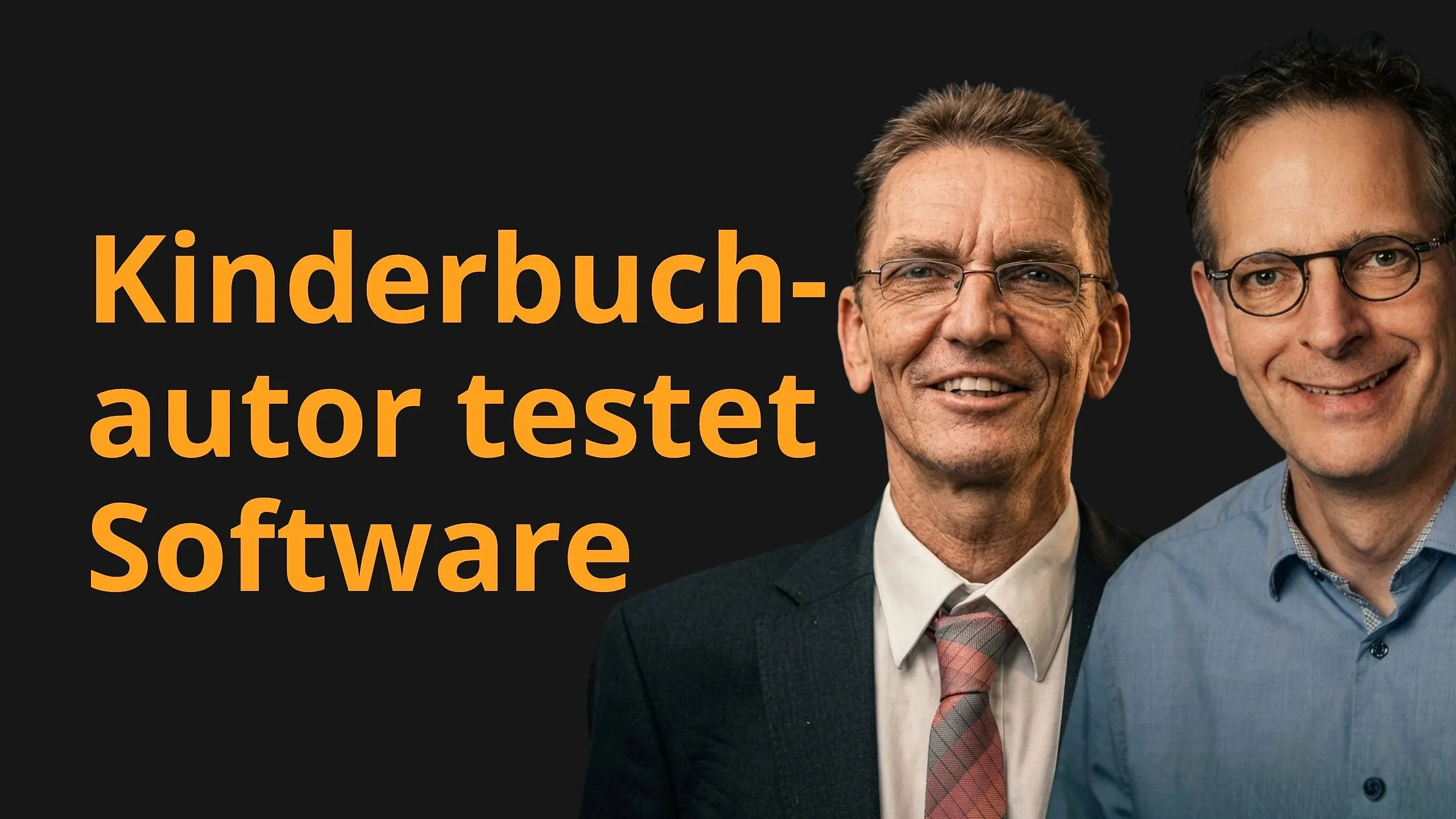
Klaus Moritzen has been on the board since the very beginning. Thomas Rinke first came to the conference as an attendee in 2011 and joined the board in 2016. In 2024 the conference was in its 13th year, with some gaps along the way.
An Independent Board of End Users
Independence still shapes who sits on the conference board today. Its members are end users, not vendors of test tools, services or consulting.
They come from large companies such as Siemens as well as from mid-sized firms. Over the years, people from academia have joined too, though a few less in recent years. At the time of the conversation, Karin Vosseberg represented research on the board.
This mix keeps the conference close to real work. The people who put the program together do testing themselves rather than sell a product. That is a real difference, not a marketing line.
German Testing Day or German Testing Days?
The German Testing Day started as a single day. Today it runs for a day and a half, and most attendees block out two full days.
The extra half day grew out of a simple observation: many people arrive the evening before anyway. That led to the German Testing Night, which opened with a talk and a fishbowl discussion.
The submissions for that evening were strong and popular, so the evening program grew step by step. That is why people are sometimes unsure about the name: German Testing Day or German Testing Days? Since attendees really do spend two days there, either name is fair.
When and Where the German Testing Day Takes Place
The first edition, held at the Jahrhunderthalle in Frankfurt, drew around 200 to 250 attendees. Before COVID-19, attendance peaked at about 450.
In between, the conference spent a few years on the road. It was held at BMW Welt in Munich, at the Hotel Estrel in Berlin and at the Kap Europa congress center in Frankfurt. The idea was to reach people who didn’t want to travel very far.
Finding the right venues turned out to be hard. A venue needs enough capacity, good technical facilities and rooms, and it has to be affordable. The Kap Europa gave the German Testing Day a good home. Attendance in Frankfurt was also higher, probably because the city is easy to reach and many companies are based there.
A turning point came early on. SwissQ no longer wanted to drive the event, and the conference skipped a year. In 2013, the conference board took it over. Melanie Wohner became chair and organized the event on the board’s own account.
The 2024 edition took place on May 7 and 8 in Frankfurt.
How Talks Are Selected for the German Testing Day
The German Testing Day selects talks in two stages, using five criteria. Proposals come in through a tool that also handles the review and every status change along the way.
Three criteria are about content:
- Practical experience: something a person has actually done, not purely academic work.
- Innovation: how new the approach is.
- Value for attendees: what people in the audience take home.
These three are applied to the abstract first. Once a draft of the slides is available, two more criteria come in: clarity and storyline. Only then is the final selection made.
No Overarching Theme
Unlike some conferences, the German Testing Day doesn’t commit to an overarching theme. The call for papers only hints at areas of focus.
AI has been a strong trend in recent years, especially testing AI and testing with AI. Classics such as test data management and test automation keep their place in the program. There is room for topics off the beaten path as well: how to organize test sessions, ensemble testing, or talks about personal growth as a tester.
Board members often see individual submissions very differently. Those differences help keep the balance, so the program doesn’t end up being all AI or all test management. Variety is a deliberate goal, not an accident.
Staying Practical and Willing to Take a Chance
What sets the German Testing Day apart is the combination of independence, a practical focus and openness to new formats. The board actively seeks out talks from end users, but it also takes a chance now and then.
One example was a Finnish children’s book author who taught kids about software testing with a metaphor: software bugs are like dragons in the Middle Ages.
“You could say that’s not professional. But sometimes you have to do something like that.”
(Klaus Moritzen)
Supporting diversity is part of this too, for example when young talents get a slot through the call for papers. The keynotes follow a set pattern: usually one on software testing and one with a wider social angle. Topics such as Deep Democracy or mindfulness broaden the view. One speaker once talked about how he had founded a company by accident and ran it entirely democratically.
How the German Testing Day Builds Community
Beyond listening to talks, the German Testing Day relies on interactive formats. They include facilitated workshops, Lean Coffee sessions and an Open Space where every attendee can bring in their own topics.
Newer formats added as the conference evolved point in the same direction: lightning talks, Pecha Kucha and World Café.
The contact is meant to last through the year, for example through the German Testing Night and single events between conferences. The organizers admit there is still room to grow here. More events during the year and easy, low-key chances to drop by are on the agenda, but progress has been slow so far.
What Shaped the 2024 Edition
AI dominated the 2024 program, meaning both testing with AI and testing AI. Tried and tested topics such as test automation, continuous integration and DevOps rounded it out.
For many attendees, the keynotes remain the highlight. One of the announced speakers was a founder from Estonia who runs a fully virtual company and has won several awards for entrepreneurship. The keynote on the evening before was planned to be especially theatrical, which is less common at a more traditional testing conference.
Where the German Testing Day Is Heading
The main conference, at a day and a half, is seen as a format that works, and there are no plans to stretch it to two or three days. A longer event would change the structure, for example with half-day workshops or tutorials, the way EuroSTAR spreads its program over a whole week.
Instead, the focus is on more German Testing Nights during the year and possibly a regular format of its own. The model is EuroSTAR’s Test Time Out: every other Friday at 11 a.m., one speaker gives a 15-minute talk. Formats like this are also a good way to discover future keynote speakers.
One clear goal is to turn attendees into speakers. People who have been there should feel confident enough to share something of their own instead of only listening. Approaching people personally has already worked for some of them.
The bigger challenge is getting people to come back. Many conferences have a hard core that shows up every year, while around half of the attendees are new. Getting those newcomers to return is the job the events during the year are meant to do.
Topics the Board Wants to See More Of
From the board’s point of view, some worthwhile topics are underrepresented. Usability and user experience could go deeper, for example with modern methods such as eye tracking or hard measurements.
Non-functional testing and security testing also get too little attention, even though many companies have internal rules and processes for them. The board would also like more original, one-of-a-kind talks, like the one by the children’s book author, which nobody can plan in advance.
Beyond the topic, the way a talk is presented matters most. Talks about personal growth have gone down especially well in recent years: how someone learned to test, how they reshaped their role, how they got others excited about growing too. If you are proud of something and want to share it, the call for papers is the right place.