
AI-assisted testing refers to using artificial intelligence tools to support testers across all phases of the software testing process, including test planning, test case generation, test data creation, execution, defect analysis, and reporting. AI handles labor-intensive and mechanical tasks while human testers retain control over context, business logic, and result verification. The tester’s role shifts toward decision-making and model training, not disappearing.
Key Takeaways
- AI challenges the tester’s role by shifting mechanical and automation tasks to machines, but context, business logic, and user behavior prediction still require human control.
- Generating test cases and test data are the highest-value AI use cases in testing today: a task that takes a human a month can be completed in roughly a week with AI support.
- Business stakeholders can contribute directly to test automation when plain-language instructions replace scripting, widening the group of people who can drive test activities.
- Scripting knowledge in languages like TypeScript or Python remains necessary because someone has to verify that AI-generated scripts actually do what they are supposed to do.
- ISTQB offers two dedicated syllabi covering AI in testing: one on how to test AI products, and a newer one on how to use generative AI in day-to-day testing work, updated every three to six months.



AI shifts the tester’s role, it does not remove it
AI changes the scope of testing work, but human testers stay in control of the process. Every few years a new buzzword promises to make testing obsolete: first test automation, then agile, then DevOps, now AI. Testers are still here.
The reason is simple. AI at its current stage struggles with context, business logic, and acting like a real user. Predicting what a user will actually do is hard for a model. That part of the work needs people.
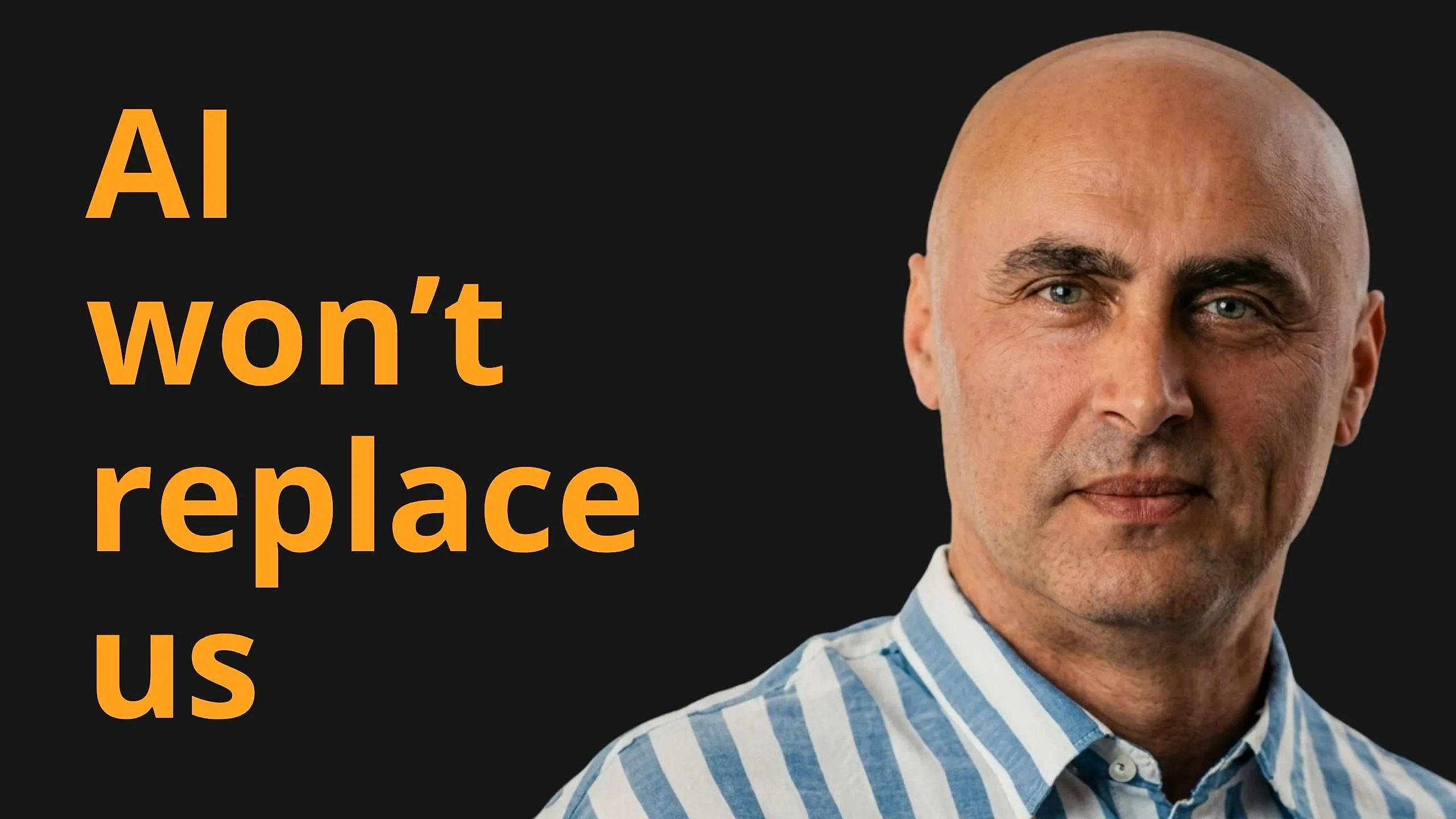
Mitko Mitev, who has spent more than thirty years in software quality assurance, frames the future as AI assisted rather than AI replaced. Mechanical and repetitive tasks move toward the machine. Thinking, decisions, validation, and training of the models stay with the testers.
People are afraid these tools are going to replace us, but I don’t believe that. The scope of the work of the testers and the QAs will change, but we will stay in control. (Mitko Mitev)
Where AI-assisted testing saves effort
AI delivers the most value in labor-intensive parts of testing, not in judgment-heavy ones. A useful way to see this is to walk through the phases of the test process and ask where a tool can carry weight.
Test data generation is the clearest win. You can describe what you need in plain language, for example two hundred users with bank accounts and transaction limits, and get usable data quickly. What once took manual effort becomes a short instruction.
Test case creation follows the same pattern. Connect a model to your existing requirements, use cases, or a documentation tool, and ask it to generate test cases from that source. For a large system that might need thousands of test cases, the time difference is real: work that could take a person a month can drop to roughly a week with AI support.
Across these tasks, Mitko estimates that AI can save somewhere around twenty to forty percent of the effort and time. The gain is concentrated where the work is mechanical, not where it needs interpretation.
Can AI apply formal test techniques?
Yes, AI can work with established test design techniques, and how well it does depends on the model’s context. If you train a model in advance with data from your business domain, you can instruct it to apply a specific technique, or let it choose which technique fits.
Standardized techniques have an advantage here. Because ISTQB functions as a de facto standard, the techniques are widely documented in public information. Even a model with little custom context can draw on that shared knowledge, so applying common techniques rarely becomes a problem.
Exploratory testing is one area where AI adds something beyond speed. You can instruct a model to move through a process in unusual or unknown sequences, simulating paths a human might not think of. Combined with a tester’s critical thinking, that input widens the range of what gets checked.
Test automation moves from scripting to plain language
The biggest shift in test automation is the move from writing scripts to expressing intent in natural language. With concepts like MCP, you can connect a language model to a test automation tool and drive much of the process directly.
Agents push this further. You can instruct an agent to generate test instructions in plain language and move toward execution without hand-writing every script. The scripting still happens, but it is generated rather than typed line by line.
This raises a fair question about skills. If plain language can produce scripts, do testers still need TypeScript or Python? Mitko’s answer is that the deep knowledge stays necessary. Someone has to verify that generated scripts are correct and actually do the job they are meant to do.
Plain language widens who can build tests
The real added value of AI in automation is that more people can take part. Test automation used to belong to testers and automation specialists alone. Plain-language instructions open that work to business people too.
Picture a business person writing test intent in plain text, feeding it to a tool, and getting a draft script. A test automation engineer then refines and validates that draft. The project benefits because more roles can contribute to building the tests.
How AI supports test management and reporting
AI strengthens planning, defect analysis, and reporting once the core testing work is structured. Planner-type agents can build a plan based on a risk assessment, pointing to which areas need more testing and which need less.
Defect analysis is another strong fit. AI can cluster similar defects, highlight the areas of the software that produce the most defects, and help focus testing there. With log file analysis, clustering, and root cause analysis, finding the cause of a defect gets easier.
Reporting closes the loop. AI can summarize results and shape them for a specific audience: a version for business people, another for technical teams, another for operations. For C-level readers, that means a short report stating what happened, why it happened, and whether the recommendation is to go live.
There is a practical side benefit for non-native English speakers. As Mitko put it, the tools often produce better English than his own, so plans and reports come out cleaner.
More generated code means more to test
AI changes software development, not only testing, and that creates more testing work, not less. Development teams can now produce software at high speed, including code of unknown quality. Someone has to test it.
Human testing alone cannot keep pace with that output. When development moves that fast, AI support in testing stops being optional and becomes part of how the whole team keeps up. The speed of software production is the pressure that pulls AI into the test process.
Start learning AI testing now, not next year
The advice is direct: begin now rather than postponing. The field moves so fast that waiting even a few months can leave you behind.
The skill set for hiring is already shifting. Instead of asking a candidate the difference between a class and an object, the more relevant questions are whether they know what MCP is, how a language model works, and how agents work. The foundation of testing knowledge still matters first, because it is the basis everything else builds on.
For a structured path, ISTQB offers two relevant syllabi. One covers testing AI products and has been on the market for around two years. The other, Generative AI in Testing, is newer, released in July 2025. One teaches how to test AI products, the other how to use AI products in daily work. The Generative AI syllabus is intended to be updated every three to six months to keep up with new trends.
Frequently Asked Questions
Will AI replace software testers?
No. AI at its current stage struggles with context, business logic, and behaving like a real user, and predicting what a user will actually do remains hard for a model. Mechanical and repetitive tasks shift toward the machine, while thinking, decisions, validation, and training of the models stay with testers. Earlier waves of test automation, agile and DevOps carried the same promise.
How much effort can AI realistically save in a testing project?
Somewhere around twenty to forty percent of effort and time, based on Mitko Mitev’s estimate from more than thirty years in software quality assurance. The gain concentrates in mechanical work, not in tasks that need interpretation. Producing test cases for a large system that requires thousands of them can drop from roughly a month of human work to about a week.
Can AI contribute to exploratory testing?
Yes, and it adds more than speed there. You can instruct a model to move through a process in unusual or unknown sequences, simulating paths a human tester might not think of. Combined with a tester’s critical thinking, that widens the range of what gets checked instead of replacing the exploration itself.
Do testers still need programming skills if AI can generate test scripts?
Yes. Deep knowledge of languages such as TypeScript or Python stays necessary, because someone has to verify that generated scripts are correct and actually do the job they are meant to do. The scripting has not disappeared: it is generated rather than typed line by line, and it still needs review.
Can people without a testing background help build automated tests?
Yes. Plain-language instructions open test automation beyond testers and automation specialists. A business person can write test intent in plain text, feed it to a tool and receive a draft script. A test automation engineer then refines and validates that draft. The project gains because more roles can contribute to building the tests.
How can AI help with defects and test results?
AI can cluster similar defects and highlight which areas of the software produce the most of them, so testing is focused there. Log file analysis and root cause analysis make the cause easier to find. Results can also be summarized per audience: for C-level readers, a short report stating what happened, why, and whether the recommendation is to go live.
Does AI in software development reduce the amount of testing needed?
The opposite. Development teams can produce software at high speed, including code of unknown quality, and someone has to test it. Human testing alone cannot keep pace with that output. The speed of software production is exactly what pulls AI into the test process and turns AI support from an option into a necessity.
What structured training exists for testers who want to work with AI?
ISTQB offers two dedicated syllabi. One covers how to test AI products and has been on the market for about two years. The newer Generative AI in Testing syllabus, released in July, covers how to use generative AI in daily testing work and is intended to be updated every three to six months.