Testing Wind Turbines: Lightning Only Strikes in the Field
Testing wind turbines means covering about 164 subsystems with simulators, hardware in the loop and field data, because lightning cannot be provoked.
Testing wind turbines means covering about 164 subsystems with simulators, hardware in the loop and field data, because lightning cannot be provoked.

The testing conference HUSTEF grew from 150 attendees to 705 tickets with coaching for first-time speakers, a Career Clinic and masterclasses.
AI bias spreads because people adopt it from algorithms even faster than from humans and rarely notice. Comparative data keeps AI decisions in check.
Tester visibility suffers because the output is an absence of bugs. Exploratory sessions on the team board, shared artifacts and coaching change that.
Two missing sentences in a software contract can drive a company into bankruptcy. Why agile software projects end up as contracts for work.
Stoic decision-making separates the quality of a choice from luck. Premeditatio malorum, the 10-10-10 rule and a decision log make it daily practice.
Dynamic analysis on real hardware: embedded trace measures code coverage in integration testing without the timing side effects of instrumentation.
Software testing needs logic and imagination alike. What da Vinci's curiosity and love of simplicity teach testers about reports people understand.
Software testing with Java follows the test pyramid, from unit tests in milliseconds to UI tests that take minutes. Maven controls what runs when.
Well-being at work starts small: coffee talks without work topics, a one-word intention per meeting and one minute of belly breathing before stand-ups.
Software testing is hard to teach at university because small exercises hide the benefit. Complex projects, TDD and testable architecture make it click.
Choosing an end-to-end testing framework starts with needs like Safari support, speed and mobile emulation. Cypress, Playwright, Nightwatch compared.
AI requirements engineering only delivers testable requirements with precise prompts: scope, context, requirement level and templates, refined in steps.
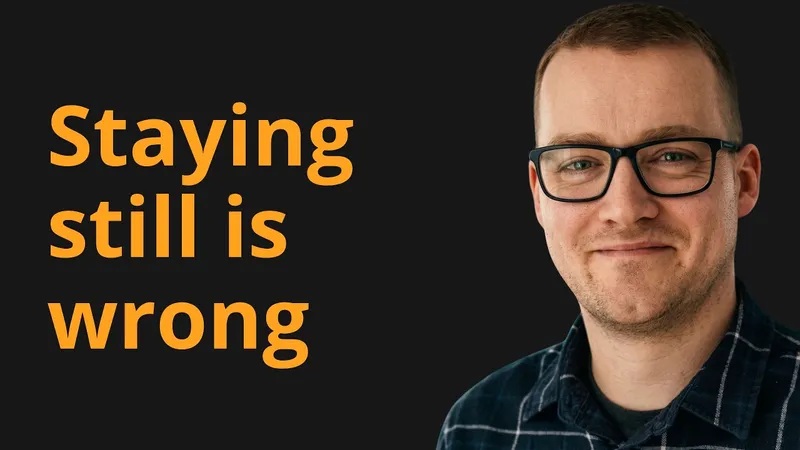
Context in software testing decides what good testing looks like. In context driven testing, "it depends" is the honest answer, not an evasion.

In a software testing career, listing only bugs in an interview undersells you. Asking what keeps the team up at night opens a better conversation.
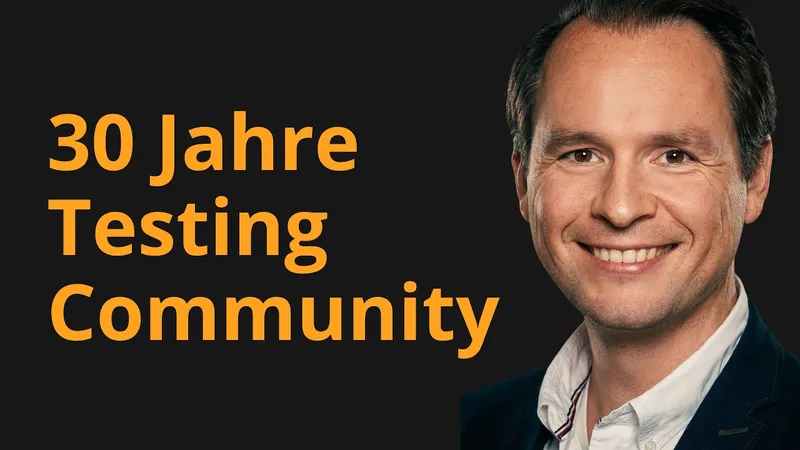
ASQF membership brings free conference tickets, specialist groups and a say in new certifications. The association has united quality people since 1996.
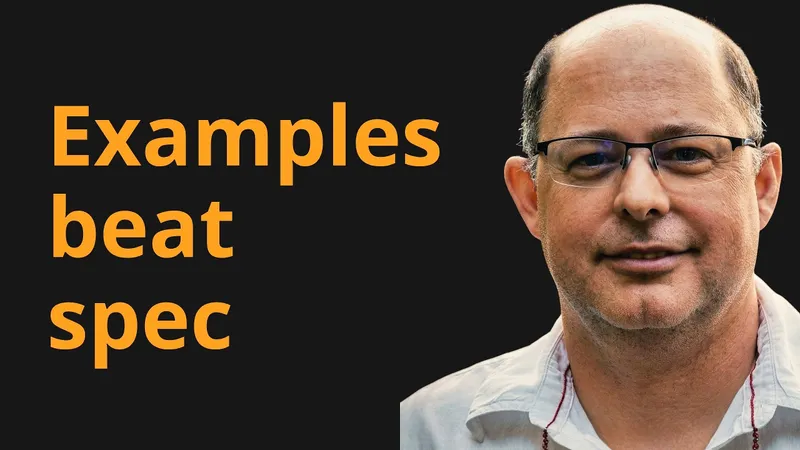
Given-when-then scenarios pay off when business and tech write the examples together. BDD is not a testing technique: the scenarios drive the code.
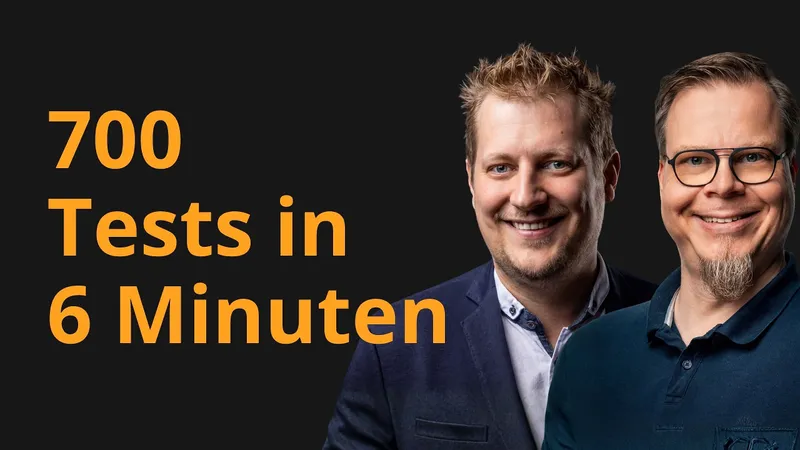
Testing collaboration improves when business, testers and developers build one model: a single workshop yields better requirements and ready test cases.