Learning from Failure: Feel It First, Then Analyze
Learning from failure starts once the sting settles, then you analyze the mistake as a case study. What a 4,000 euro error taught about growing from it.
Learning from failure starts once the sting settles, then you analyze the mistake as a case study. What a 4,000 euro error taught about growing from it.
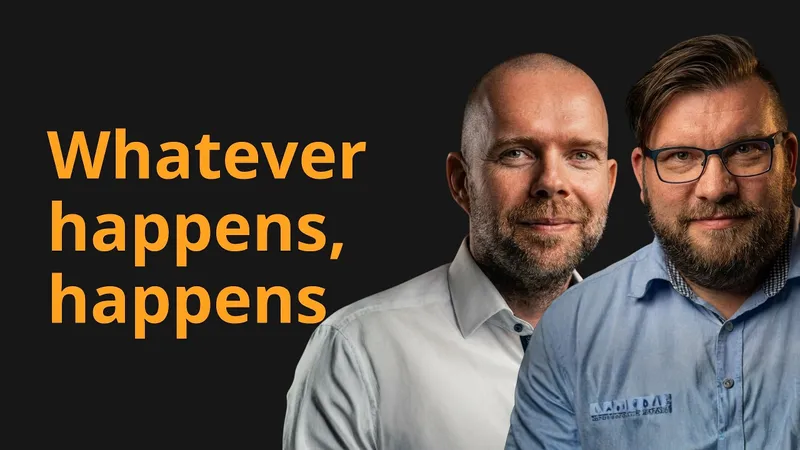
The QS Barcamp Hamburg caps attendance at 80 and has no fixed agenda, yet the talks go deep. Participants pitch their own sessions at the marketplace.
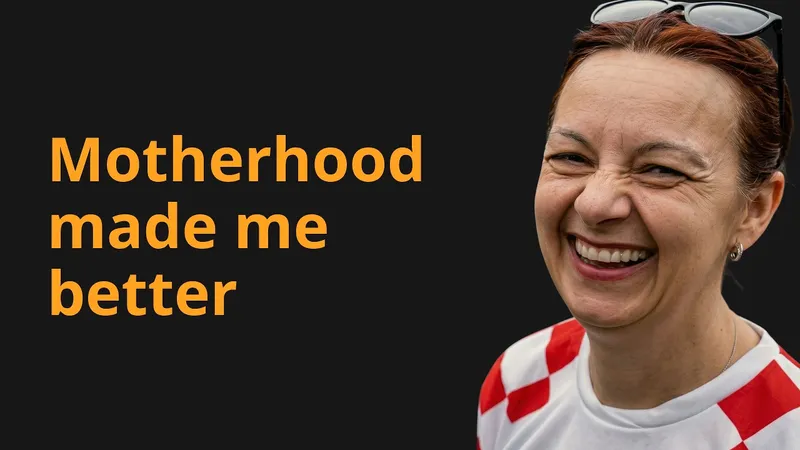
Parenting three kids sharpens skills you never expected at work: ownership, prioritization, patience, and knowing when to ask for help.

Test reporting in 5 steps: Goal, position, forecast, data quality and automation. How reporting becomes a real management tool.
Exploratory testing is not just clicking around randomly. Here is how scoping, timeboxing, and risk focus turn it into a sharp quality tool.

Formal methods sound like an ivory tower, but they provide what testing alone can never do: mathematical proof of correct behavior.
Testing economics turns quality risks into numbers managers use: lost hours, lost deals, customer churn. Cutting visible waste first earns credibility.

EuroSTAR's call for papers drew 527 submissions for about 50 slots. The program chair explains how talks get picked and what makes one stand out.
Public speaking at tech conferences gets easier with recorded rehearsals, square breathing and slides that hold hints. Stories beat experience reports.
AI-generated test cases for medical devices: a RAG system retrieves in-house documents, a human reviews the results, so no tool validation is needed.
Test automation design patterns such as Page Object, Builder and Facade keep test code readable. DRY and YAGNI stop the framework from bloating.
Test coverage needs the right denominator. Process mining shows which workflows run in production, and the top 10 of 600 runs cover about 80 percent.

Impostor syndrome hits experienced testers too. One tester on naming her inner critic, admitting her limits, and getting into testing without a degree.
Next-gen software engineering pairs every model with a test model. AI code looks cheap, but someone still has to version, document and test it.
Critical thinking in AI-assisted testing means asking where an output comes from. If AI writes code and tests, a tester still has to judge the result.
Startup software testing begins with testability and customer focus, not formal processes. Outnumbered testers have to speak up, even to management.

Quality metrics mislead when they stand alone. Pair mean time to resolve with reopen rate, pass rate with escaped defects, and keep the set small.
An AI test assistant generates ISO 29119 test cases for business teams without testing know-how. Munich's Sherlock exports them to TestLink or Xray.