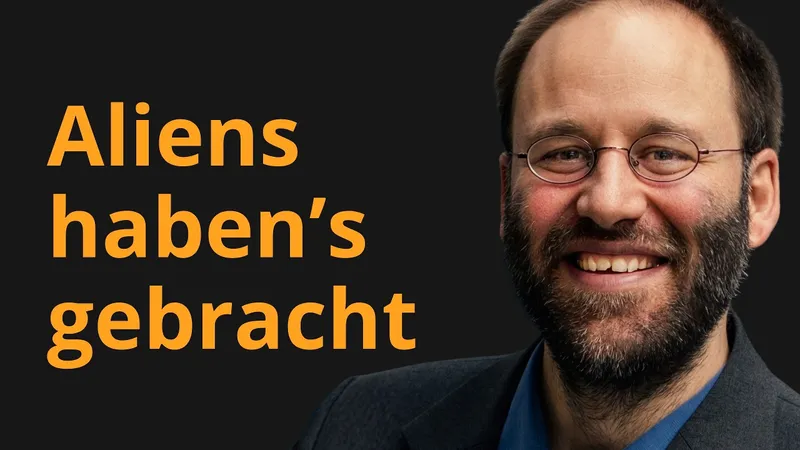
ATDD for LLMs: Failed Dialogs as Tests and Training Data
With ATDD for LLMs, each new requirement becomes a dialog-based test. After fine-tuning, the suite shows whether the model learned without regressions.
With ATDD for LLMs, each new requirement becomes a dialog-based test. After fine-tuning, the suite shows whether the model learned without regressions.
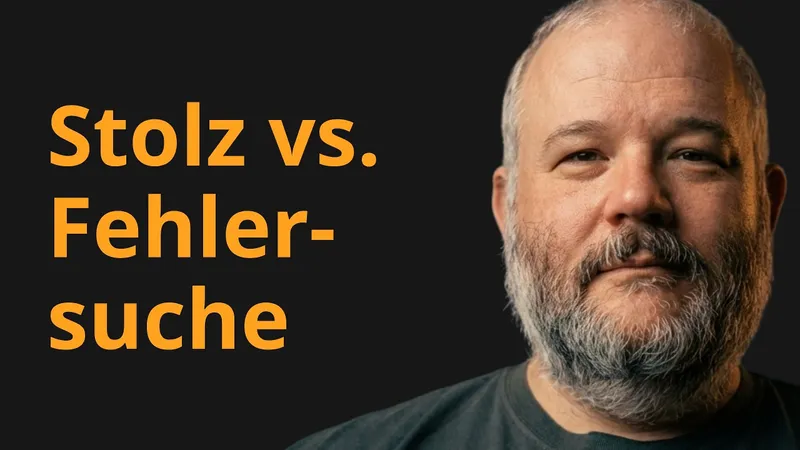
ISTQB in practice at a telecom vendor: exploratory testing of undocumented third-party systems, homemade load test robots and a shared test vocabulary.

Swapping a grown XML test monolith for Robot Framework took a year, a custom .NET remote library server and one developer freed from release duty.
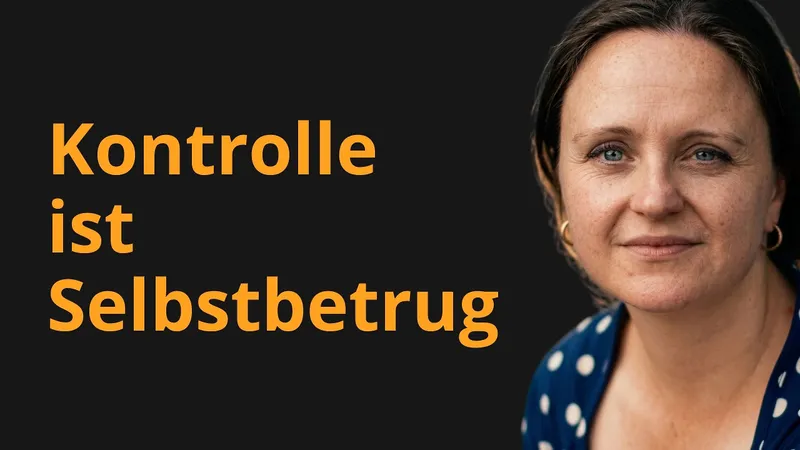
Stoicism helps product teams judge a decision by how it was made, not how it turned out. Its tools: premeditatio malorum, 10-10-10, a decision diary.

The test pyramid is often misread: many unit tests, high coverage, still bugs. Why many JUnit tests in microservices are really integration tests.
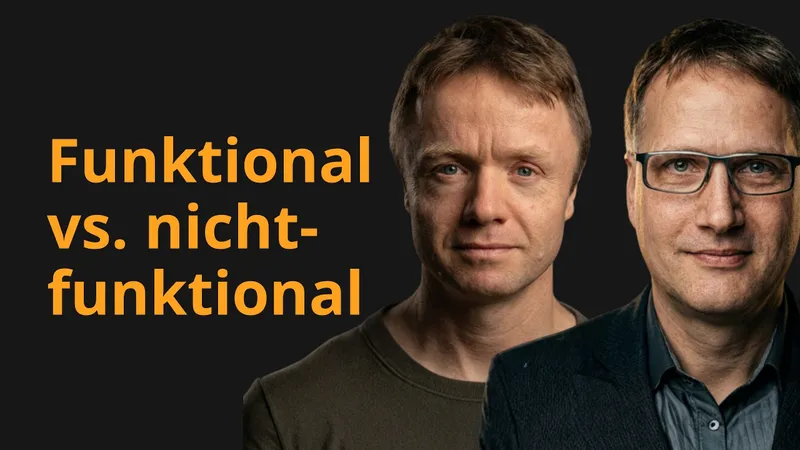
Separating functional and quality requirements sounds clean, but in practice the line blurs. Good architecture hides decisions and stays changeable.
Shift left in acceptance testing means testers shape requirements early. Acceptance tests then build trust instead of hunting bugs just before delivery.
Test strategy via workshop instead of a hundred-page document: How a collaborative format quickly brings teams to a common test picture.
Green software starts with one question: what if the earth were a stakeholder in your next sprint? Supporting old devices cuts e-waste and saves costs.
Since 2011, the German Testing Day has been shaped by a board of end users with no vendor interests: practical talks, open formats, unusual keynotes.
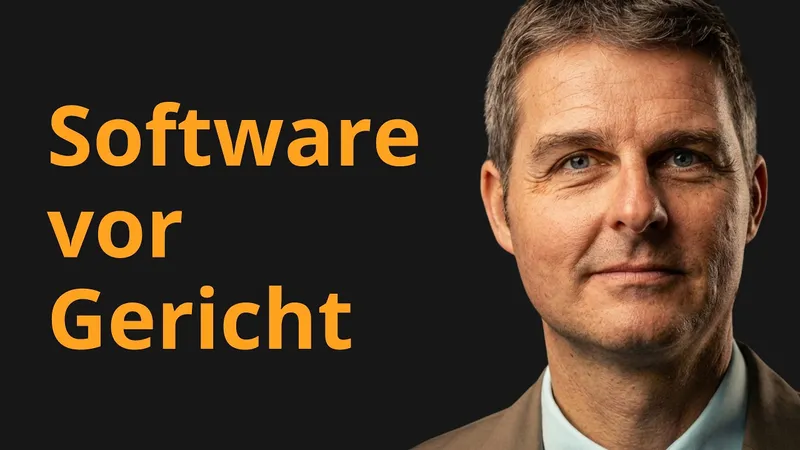
A software expert witness checks whether software is state of the art, a legal term meaning proven, and judges its maturity by defect density.
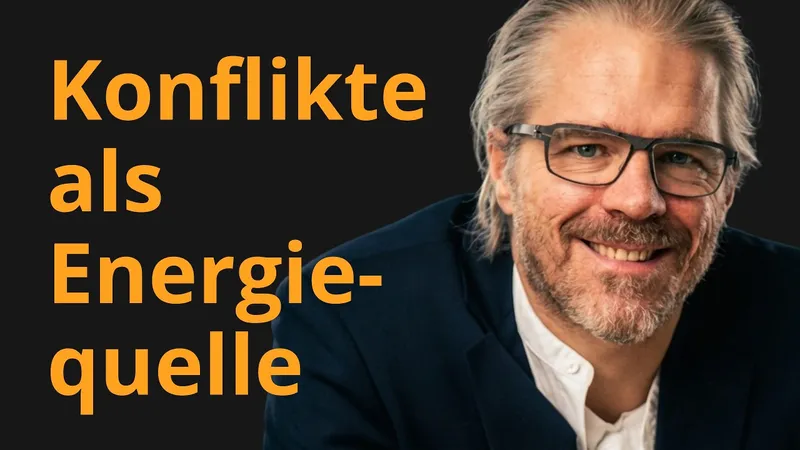
Team conflicts carry energy a team can use. Up to Glasl's stage three, managers can resolve them; from stage four, outside facilitation is needed.
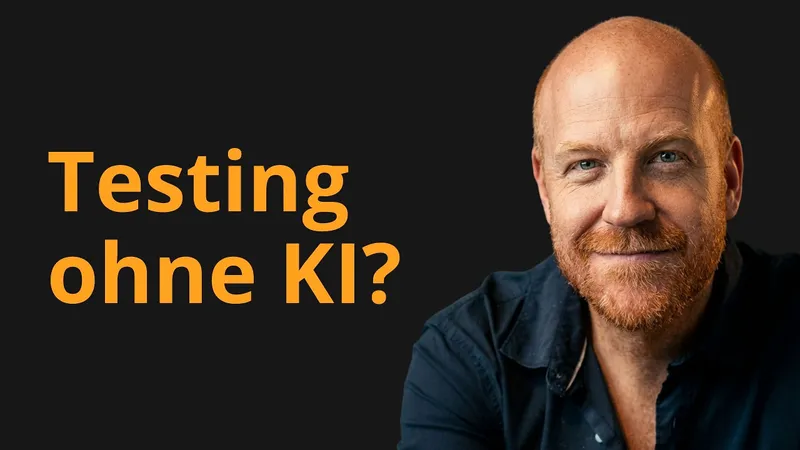
One year, 67 episodes, over 22,000 downloads: What became of a spontaneous video idea and where the journey will take us next.
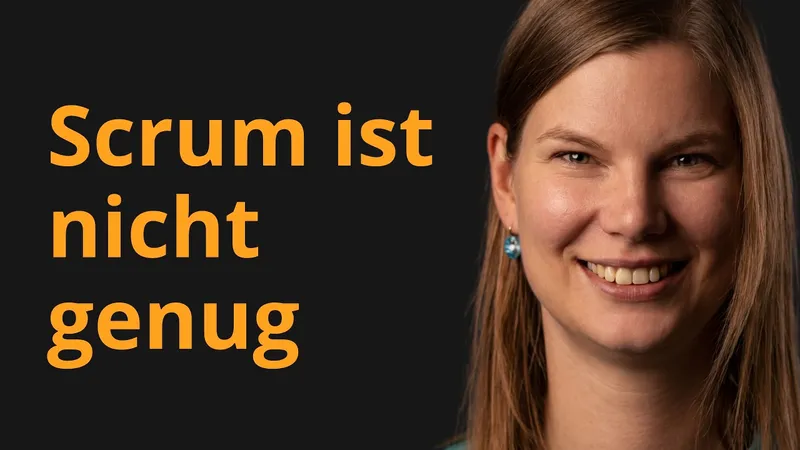
Continuous discovery fills the gap Scrum leaves before the backlog. Event storming, story mapping and Gemba walks help the team understand customers.
Choosing an E2E testing framework starts with your own requirements, such as Safari support or speed. Why Playwright led a comparison of five tools.
AI speeds up routine work, but exploration needs human context it lacks. Quality stays hard to sell, so testers should pair with developers and network.

Remote teams can work better together than office teams, but only on one condition: Knowledge must be networked, not people.
The test organization of the future replaces hierarchies with cell teams, and testers need V-shape skills with deep knowledge in several areas.