
Testing Trends: Testing AI and Testing with AI
Trends in software testing: AI is used most in programming and testing, far less in requirements engineering. Scrum dominates, even in aviation.
Conversations with testers, developers, and coaches who work in the field.
Trends in software testing: AI is used most in programming and testing, far less in requirements engineering. Scrum dominates, even in aviation.

Accessibility testing can't be fully automated. Accessible components can still break once combined, and blind testers catch it with screen readers.

Software analysis of an inherited ticket shop: static analysis gave a first verdict in 1.5 days. Then a third of the code turned out to be a black box.

Impostor syndrome can't be argued away with logic. Knowing the term, talking openly with peers and contradicting your inner critic help break the cycle.

Model-based test case design often breaks down between model and concrete test. Two phases fix that: high-level tests first, data and scripts later.

Generative AI in testing speeds up automation with boilerplate code, test case reviews and edge cases. Unit tests generated from code cement its bugs.

Type systems, Windows drivers, payments, the seL4 kernel: where formal methods run in practice, and why a proof can cost ten lines per line of code.
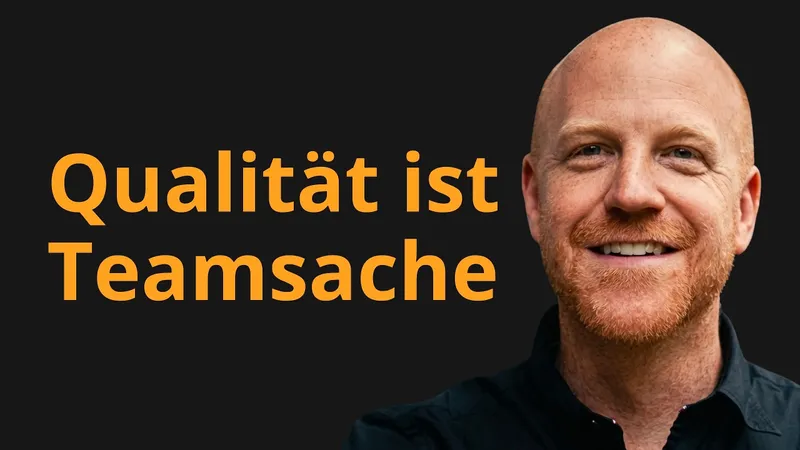
Quality in software development moved from a late test phase to a team task. Now AI forces the question many teams never answered: what is quality?

Shift left parallelizes testing before go-live, shift right watches production. One insurer runs the same UI tests in both worlds. How that works.

Testing data processes works best with expected results generated from the business specification, since production data covers only about 70% of cases.

Software quality metrics only help when they fit the context and feed real decisions. Team comparisons mislead, and lead time deserves a closer look.

A business analyst who thinks like a tester spots edge cases before any code exists. A data warehouse project shows why testers should question specs.
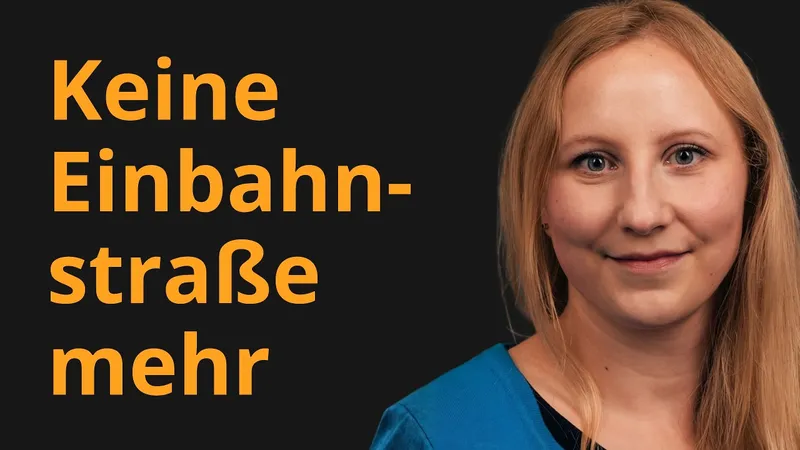
From tester to QA lead: the human challenges outweigh the technical ones. Leading a small project first shows whether a management role suits you.

Automated security testing with OWASP ZAP and Nuclei in CI/CD catches standard flaws early and shrinks a 60-page pentest report to four or five pages.

Embedded testing starts before the hardware arrives. Why simulators fail at timing and bus protocols, and when real target hardware belongs in CI.

Form testing for over 255 tax form variants across 16 states: an SMT solver derives valid test data from the model and exposes contradictory rules.

The Cyber Resilience Act covers connected machines, with risk assessments and reporting duties. Starting early secures consultants before rates rise.

The testing profession has become a team task, since quality belongs to everyone in an agile team. Experience counts for more than knowledge alone.