AI in Requirements Engineering Requires Precise Prompts
AI requirements engineering only delivers testable requirements with precise prompts: scope, context, requirement level and templates, refined in steps.
Conversations with testers, developers, and coaches who work in the field.
AI requirements engineering only delivers testable requirements with precise prompts: scope, context, requirement level and templates, refined in steps.

In a software testing career, listing only bugs in an interview undersells you. Asking what keeps the team up at night opens a better conversation.
ASQF membership brings free conference tickets, specialist groups and a say in new certifications. The association has united quality people since 1996.
Testing collaboration improves when business, testers and developers build one model: a single workshop yields better requirements and ready test cases.

Accessible PDFs need clean headings, alt text and labeled tables. For contracts, invoices and archives, converting old files is a migration project.

A test design board game built for checkout software produces around 24 new test cases per round, including tricky promotions, for the next release.

Natural intelligence finds bugs no AI would look for, through curiosity, intuition and context. AI unit tests often hit just one equivalence partition.
For software testing, AI pays off in test data and document analysis. In grown systems, testers' system and domain knowledge still catch side effects.

Quality as an attitude beats test case checklists. Good testing needs solid methods, automation and trust in the people who vouch for the results.
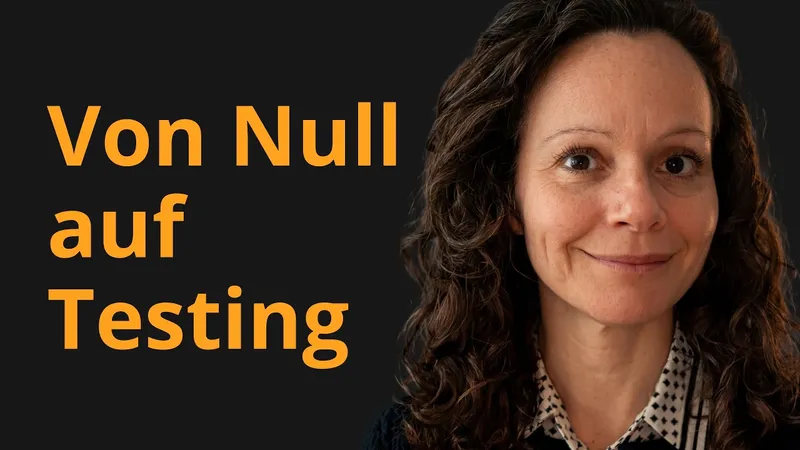
Changing careers to testing works without an IT background, as one path from the French embassy shows. An internship counts for more than certificates.
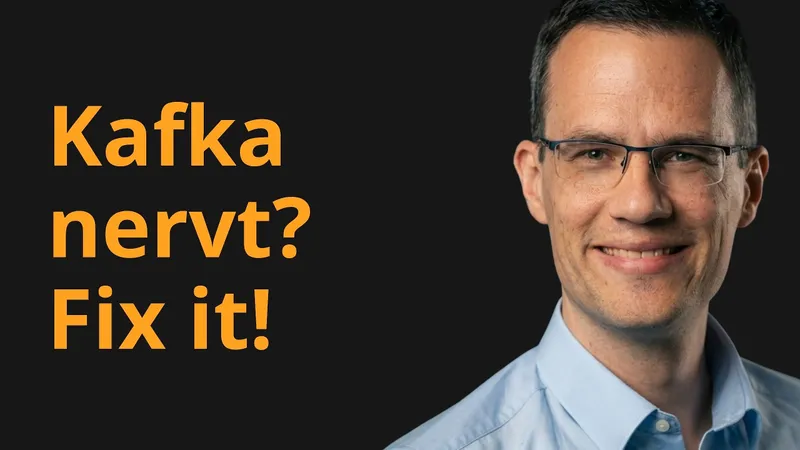
Developer friendliness costs time short term, saves it long term and makes teams happier. REST mocks and test interfaces show how it works.
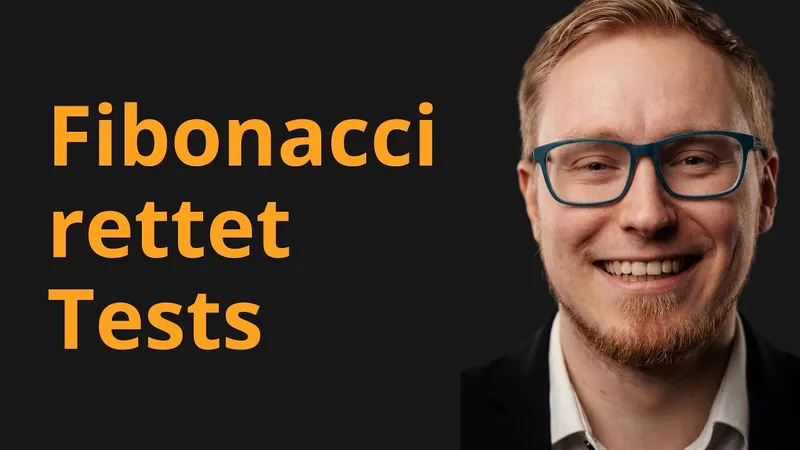
Test case prioritization without gut feeling: five levels, Fibonacci ratings and one risk score decide which test cases run first under time pressure.
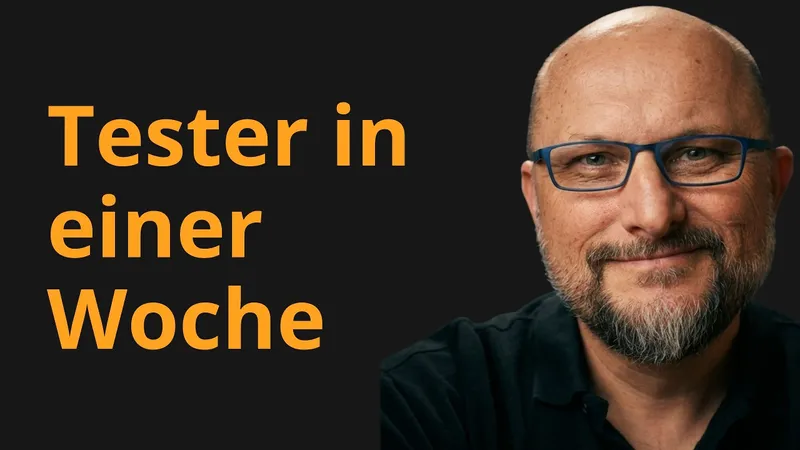
Remote testing works in agile teams when external testers join stand-ups and team chats. Hour quotas and a four-stage process get them going in a week.
The product discovery process clears up the real problem before any code is written: a kick-off workshop, user research, Crazy 8 and paper prototypes.

Open source compliance starts once you ship software. Vendors need license checks and an S-BOM, which the Cyber Resilience Act makes mandatory.
The 2024 software testing survey of more than 800 respondents: a third use AI for coding and QA, yet only about 40 percent apply basic test techniques.
AI code remediation fixes about two thirds of static analysis findings well. The rest is faulty, and models almost never admit they don't know.

An agile retrospective often yields the same sticky notes. Five phases after Derby and Larsen, data before judgment and small, concrete next steps help.