“We’ve always bolted software on faster than we’ve thought it through.” (Richard Seidl)
Right now we’re all complaining about AI slop, about generated texts nobody wants to read and apps nobody opens again after three weeks. It’s annoying, no question, but slop was around long before that: we built it ourselves, by hand, over decades.
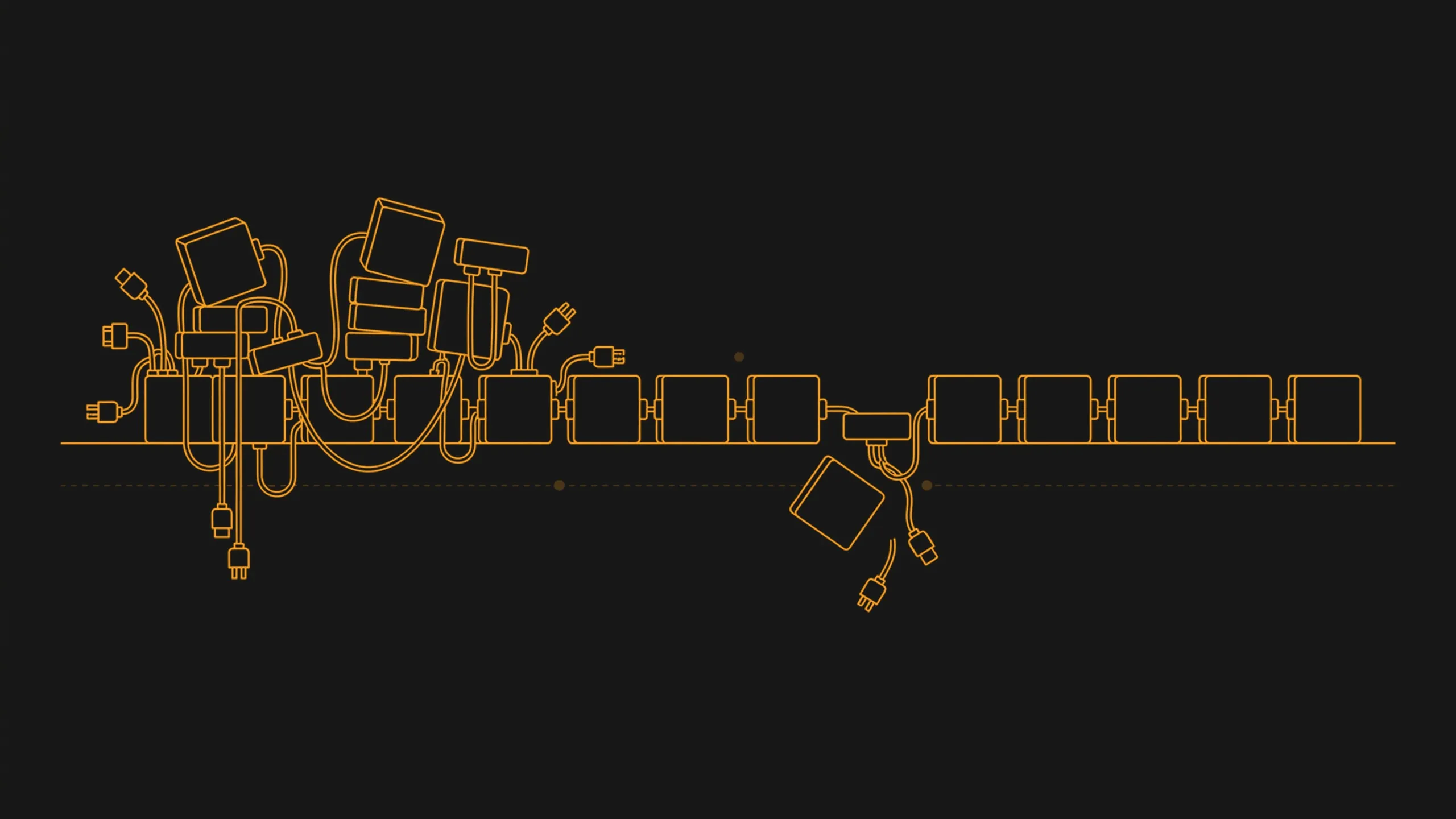
Take a look at any system landscape that has grown over the years. Module hangs off module, and each one carries a few more interfaces that somebody, at some point, needed. There are screens with fields nobody fills in anymore and reports that get generated every Monday and opened by no one. About two years ago I wrote about additive bias, our tendency to solve problems by adding things rather than taking them away. That still holds. What has changed is the speed. And that we think about it even less.
Because now AI joins in, and what do we do with it? We build even more software with even more features, just faster. What used to take a sprint now takes an afternoon: a prototype here, a new tool there, and a quick agent on top. Slop is just another word for mush, and right now we’re producing tons of it.
Anyone who has ever made a sauce knows it gets better as it cooks down; chefs call that a reduction. For software, it means AI could now do a lot of good in the systems we already run, making them better and leaner. Until now that work was tedious and thankless, because hardly anyone volunteers to dig through code that whole generations of all sorts of people have tinkered with.
A Few Ideas to Start With
First, hunt down dead code, duplicates and unnecessary dependencies; with AI, that has become a no-brainer. Up pop functions nobody calls anymore, the same logic in three places with slight variations each time, and libraries somebody pulled in at some point, for whatever reason. Out they go.
Next, find the features nobody uses and actually switch them off. With AI, the list of candidates comes together quickly. The uncomfortable part comes afterwards: someone has to tell the business side that a feature is going away.
Understanding legacy systems pays off just as much. Everyone knows that one system only a handful of people still really understand. AI can help make something like that readable, explain it, document it clearly and backfill the missing tests along the way. Without a safety net, nobody dares to touch anything; with a net of tests, cleaning up suddenly becomes doable.
Does the software still cover today’s business process at all, or are we putting a lot of effort into replicating a workflow that disappeared long ago? That’s process refactoring, and AI helps here too: once it lays process and code side by side, the gaps show up, and so does the dead weight.
Every function we retire this way and every duplicate that disappears makes a system better without a single new feature being added: it becomes easier to understand, easier to test, and a much lighter load for the team that has to work with it tomorrow.
I believe the time AI gives us should go into thinking.