“In the coming years, testers will be flooded with software built with vibe coding. Quality: anyone’s guess!” - Richard Seidl
In the quiet morning hours, when the first lines of code of the day are written, a fundamental truth of our industry reveals itself: software is not made for machines, it is made for people. And yet we forget this all too often when we talk about the future of testing.
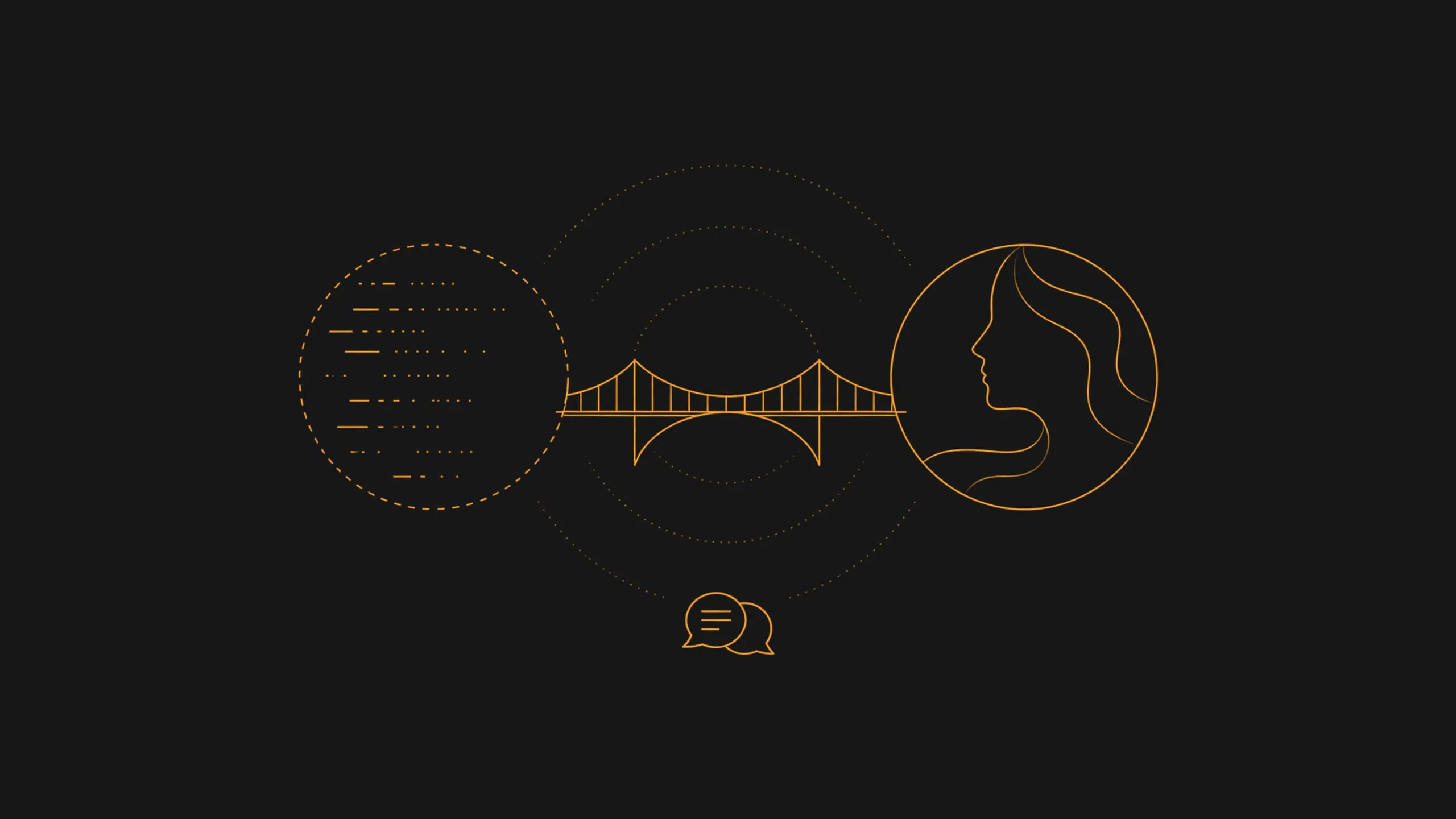
The tester as bridge builder
I believe the real focus in testing won’t be the next AI-powered test automation or the latest framework. We’ll use those anyway. It lies much more in the realization that testers are the interpreters between worlds.
A tester is more than a quality gatekeeper. A tester is a stakeholder manager, a networker who translates the loud, quiet, and silent expectations of everyone involved.
The illusion of full automation
AI and automation promise us a world of defect-free software. But this promise carries the seed of a misunderstanding. Tools can recognize patterns, catch regressions, measure performance. But can they understand what it means when a user sits frustrated in front of a loading screen while his daughter waits impatiently for the game they wanted to play together?
The future doesn’t belong to automation instead of people. It belongs to automation for people. AI tools become sparring partners for testers, letting them see deeper, hear further, learn more, and get better information.
The wave is coming
We can already see it: AI is bringing a lot to software development. From code reviews and refactoring to code generation and vibe coding. But the increased productivity of developers also means: there is a lot coming at testers that needs to be handled.
Alongside test automation, prioritization, alignment, and risk-based testing will become far more important. And that takes a lot of soft skills: resilience, conflict management, communication, and a meta view. These skills don’t fall from the sky. They have to be worked for.
A call for humanity
The future of testing doesn’t lie in the perfection of our tools. It lies in the depth of our humanity. Let’s use tools for what they are: amplifiers of our abilities, not their replacement. Pair testing with AI? Gladly.
The next time we sit in front of a test plan, we should ask ourselves: am I testing for the machine or for the person behind it? Because in the end, when all tests are green and the deployment pipeline has run through, one question remains: did we make people’s work and lives a little bit better today?