 Richard Seidl
1 min read
Increase Team Autonomy
Team culture and psychological safety are highlighted as crucial drivers for effective collaboration and problem-solving in software development....
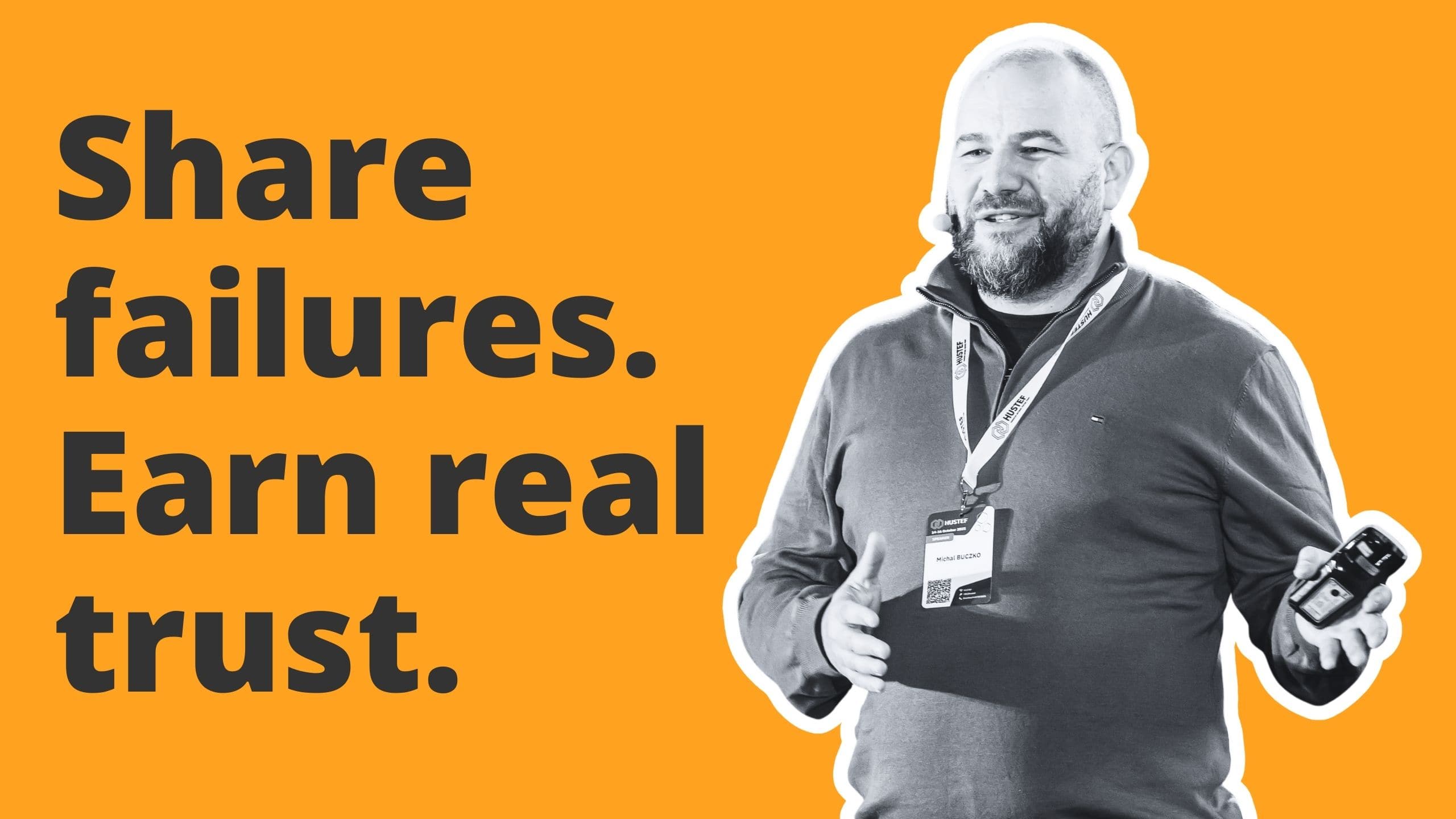
Modern product teams face distance, speed, and constant change. The focus here is on simple habits that keep trust and flow. Clear calendars make help visible. Short written updates reduce noise and keep leaders aligned. Small wins get named so progress is seen. Failures are shared so risk becomes learning. AI sits beside testers and developers as a tool, not a replacement.
In this episode, I talk with Michał Buczko about leading remote teams, trust, and AI. We spoke about clear calendars for open help sessions, regular updates to management by email, and the art of celebrating wins without bragging. We also spoke about sharing failures. That builds trust and can unlock help. Treat AI like a tool on your belt. Use it to amplify testers and developers, not to replace them. Stay critical and ask tech people first.
"In the remote work, if your calendar is free, I can push a meeting inside of it." - Michał Buczko
Michał Buczko is a Senior Quality Management Leader with 20+ years of experience in building and transforming quality organizations. He has a proven track record of developing quality strategies, leading cross-functional teams, and implementing enterprise-wide quality management systems. He spends his free time as a compound archer, explores AI-orchestrated software development, and is building BowSmith.



##Leading Remote Software Testing Teams: Building Trust, Celebrating Wins, and Embracing AI
Remote work has shifted from being a temporary pandemic necessity to a lasting part of the software industry’s DNA. As teams adjust to new ways of collaborating, test leaders and quality managers face unique challenges and opportunities. On a special episode of Software Testing Unleashed, live from the Hustev Conference 2025 in Budapest, host Richie sat down with experienced quality manager Michael Buchko to break down the realities of leading software testing teams—from building trust and visibility to leveraging AI for performance and connection.
When the COVID-19 pandemic hit, countries like Poland—with little prior experience in remote work—had to adapt overnight. As Michael Buchko shared, managers and teams across the globe were “just dropped into remote work and had to figure it out.” And while some companies are now returning to hybrid models, Michael Buchko stressed: “Hybrid is still remote.” When teammates work from varying locations or on different days, the same remote leadership strategies still apply.
The shift disrupted the traditional “managing by walking around” method. Leaders could no longer build rapport while stopping by desks or catching up by the coffee machine. As Michael Buchko noted, this loss introduced a greater challenge: establishing and maintaining trust within the team when face-to-face connections weren’t possible.
Trust sits at the heart of effective remote leadership. Michael Buchko emphasized repeatedly that managers must actively work to earn and maintain team trust. One tactic he uses is reserving regular one-on-one slots in his calendar for team members—with no strict agenda. Team members can bring their challenges, discuss personal career plans, or even cancel if there’s nothing pressing. This open approach gives people space to speak about work or personal goals without fear, leading to a culture where important issues—like changing career paths—aren’t hidden until it’s too late.
Transparency extends upwards as well. To foster trust with higher management, Michael Buchko recommends open and honest communication. This means not only sharing successes but also failures and the lessons learned from them. By sending regular summary emails about achievements and unfinished goals, leaders ensure that the effort behind both wins and setbacks is visible, allowing for future support or resources from management.
Remote work removes the everyday, informal recognition of progress and successes. Gone are the casual catch-ups with management that once allowed teams to share their accomplishments. To counter this, Michael Buchko acts as an advocate for his team, sending periodic highlight emails detailing major achievements and contributions. This not only helps the team get credit they deserve but also clarifies who is making a difference—something that might otherwise be obscured in a distributed environment.
As Richie observed, it’s important to “celebrate your own wins and show them to the management,” especially when traditional office interactions are missing.
No discussion about the future of remote work is complete without talking about AI. Michael Buchko shared how AI isn’t just another productivity tool but has become a collaborator in experiments, code development, and even project management within his team. For testers and technical staff, he recommends viewing AI as an extension of their toolkit—not something replacing them, but empowering them to accomplish more.
However, Michael Buchko also highlighted the need for technical discernment. With rapid advancements, not all AI solutions marketed to management are what they seem—sometimes they’re little more than a new UI atop existing APIs. Here, trusted technical leaders are critical in assessing risks, making informed decisions, and guiding organizations away from potential pitfalls as AI landscapes evolve.
Leading remote testing teams means more than managing projects from afar. It’s about recreating trust, fostering visibility, and using new tools wisely. As Michael Buchko and Richie discussed, the real challenge—and opportunity—for today’s quality leaders is cultivating relationships and professional growth, even when the team is scattered around the globe. When trust, transparency, and technology combine, remote teams truly can unleash their full potential.
1 min read
Team culture and psychological safety are highlighted as crucial drivers for effective collaboration and problem-solving in software development....
1 min read
Modern software work sits between speed, risk, and human impact. Small feedback loops, shared ownership, and smart automation keep quality high....
1 min read
2025 brought a mix of hype and realism to software testing. AI raised output in test idea generation, case creation, scripting, and data prep, yet...