 Richard Seidl
1 min read
DevOps
Podcast Episode: DevOps Everyone associates DevOps with the symbol of the horizontal 8. In fact, this symbol is very common in marketing. Georgia...
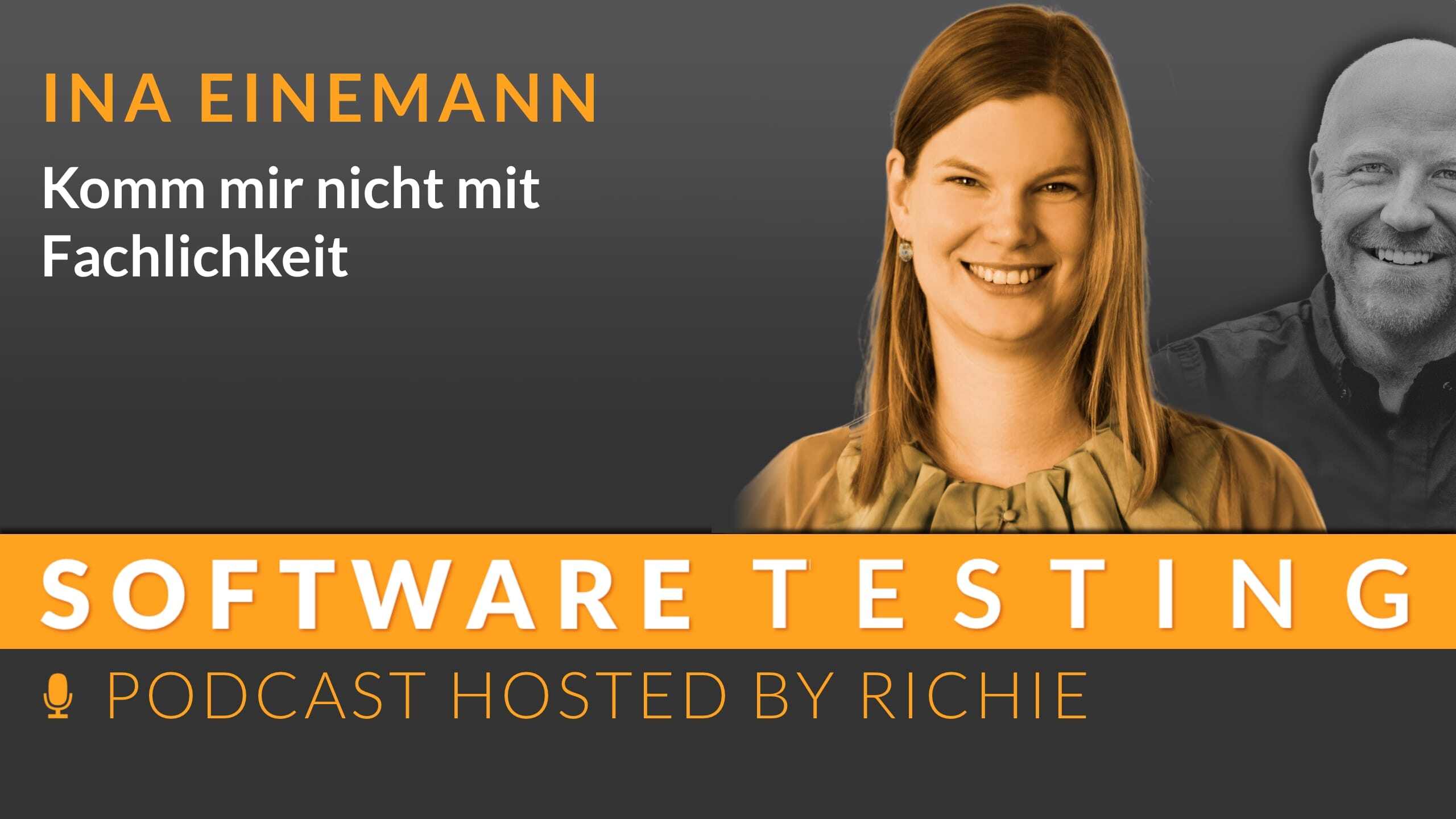
Professionalism is a term that initially draws boundaries. In Ina's opinion, this is also the contradiction in Scrum: on the one hand, it talks about the collaboration of all teams, but on the other hand, it focuses strongly on the product ready for delivery - for example, features are developed that the end user does not even use. However, if the end user is continuously involved and at the same time the developers are more closely involved in the planning, then a comprehensive picture of what the end user needs to solve their problem emerges. And such innovations often come from the technical area, namely the developers, who then have direct ideas for features that solve the problem when they understand the problem.
"The developers have enough to do, I don't want them to be conducting interviews all day. But that they learn what the customer wants. So that they are part of the (...) interdisciplinary team" - Ina Einemann
Ina Einemann works as an agile coach at open knowledge GmbH in Oldenburg. She works as an agile coach specializing in requirements management and product ownership. She has been working with agile methods and process models for ten years and advises teams on the implementation of agile practices with the aim of motivating teams to realize great products.She regularly speaks at agile events, curates various conferences and is one of the hosts of the agile podcast "My Scrum is broken". In 2022, she and Frank Düsterbeck published the book "Product Ownership meistern. Developing products successfully".



Today I spoke with Ina Einemann about the challenges and opportunities of dealing with technicality in agile processes, especially in the context of Scrum. We explored innovative methods such as event storming and story mapping to dive deeper into customer requirements and identify the true value behind the requirements.
Ina sheds light on a critically considered topic: the limitations of Scrum, especially when it comes to developing the right product. Scrum focuses heavily on delivery, while the important discovery area is often neglected. The question arises: How do the right requirements actually get into the backlog? Ina argues that Scrum assumes a finished backlog and largely ignores the path to it - i.e. how requirements are created and prioritized.
To close this gap, we talked about innovative approaches such as event storming and story mapping. These methods enable teams to develop a deep understanding of their customers' needs in an interactive way. By working together on a physical map, everyone involved - from users to product owners and developers - can develop a shared understanding of the project. These approaches not only promote team collaboration, but also help to set priorities more clearly and ensure that the end product truly meets the customer's needs.
It is not enough to simply develop a product based on the requirements defined in the backlog; rather, it is crucial to continuously gather feedback from end users. This can be done through regular reviews or by observing how the product is actually used directly at the end user's site. Such insights are essential for the continuous improvement of the product and ensure that it actually provides added value for the user.
Technological innovation plays a crucial role in addressing customer needs. In our discussion, we emphasized the importance of technical input within the team. Developers and technical experts are instrumental in finding solutions to identified problems or needs. Through their expertise, they can point out ways in which product development can be optimized. This highlights the need for an interdisciplinary team in which everyone contributes their strengths and works together to find the best possible solution.
Agile methods can be improved by integrating innovative approaches to requirements elicitation. A deep understanding of customer value should always be at the center of these efforts. By working closely together and continuously gathering feedback, teams can ensure that they develop products that really make a difference.
1 min read
Podcast Episode: DevOps Everyone associates DevOps with the symbol of the horizontal 8. In fact, this symbol is very common in marketing. Georgia...

1 min read
Informal networks play a crucial role in software development and testing. These spontaneous connections help improve team collaboration, trust and...
1 min read
Podcast Episode: Test Intelligence We take a trip into the world of test intelligence, coverage profiling and test gap analysis. How do you analyze...