
“The era of complexity is coming to an end. We have to learn to deal with chaos!”
(Richard Seidl)
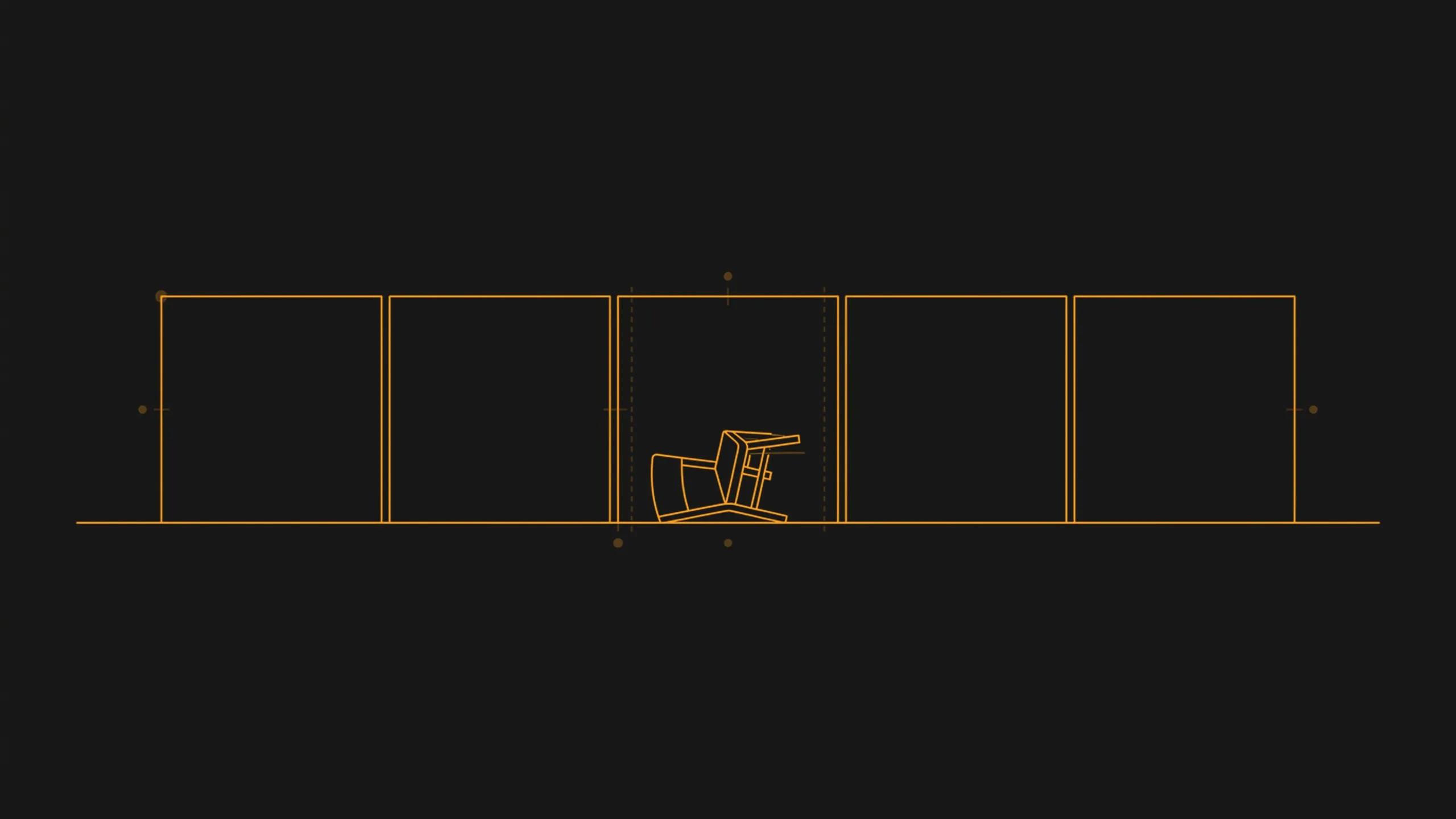
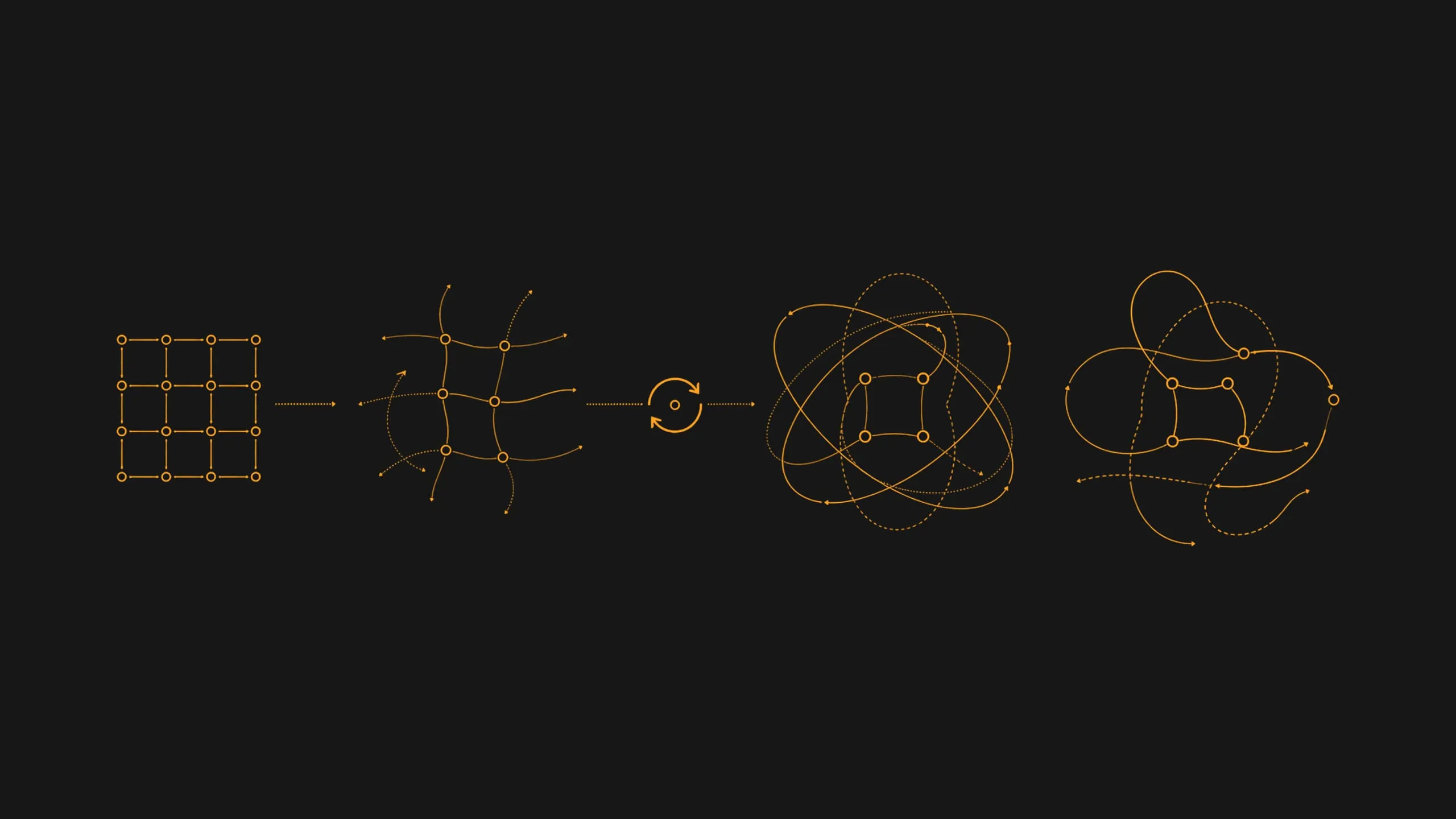
Complicated, complex, chaotic: three contexts that follow one another. In a complicated context, cause and effect can be planned. In a complex one, they can only be explained afterwards, through reflection, which is why you need short feedback loops. And in chaos, connections can be neither predicted nor explained in hindsight, and even agile frameworks no longer help.
You could almost think the universe is doing this on purpose, just to show us up. Right when humankind is at the peak of its smugness, proud of having brought everything so neatly under its control, the universe shows us who’s boss. Now that we’ve managed to get a grip on even complex problems, here comes the next level: chaos. Uncontrollable viruses, climate collapse and geopolitical crises nobody thought were still possible. Maybe we aren’t the crown of creation after all, just one part of the whole. Either way, we have to learn to deal with chaos. But let’s start at the beginning. Back when everything was still simple. Well, maybe not quite simple, but …
Complicated: Cause and Effect Can Be Planned
Cause. Effect. Turn this knob. Then that happens. Yes, it used to be that simple. Long before the software industry existed, and at its beginning, too. Engineers, architects and specialists designed at the drawing board, calculated and planned. Structure and hierarchy. And it worked. The golden age of automators, optimizers, documenters and standardizers, who squeezed the last ounce of inefficiency out of every process. And here in Central Europe, we were very good at it.
Complex: Only Short Feedback Loops Hold Up
Then things got complex. Maybe the internet was to blame. Everything started to connect. Globally across the world, locally within the company. Every system talks to every other system. Hierarchies stopped working. Turn this knob … but what happens now? Oh, over there! Control and steering only worked on a small scale. Short feedback loops to adapt the plan quickly and react to impacts. Constant reflection on what we do. Sailing by sight on rough seas. The standardizers were replaced by Scrum Masters and rituals, and there’s hardly a company left that hasn’t strapped on some agile framework. It doesn’t always run smoothly, especially when some people are still defending the familiar “complicated” solutions. But there’s no time to rest here either, because things are getting …
Chaotic: Nothing Can Be Explained Anymore
High instability and vulnerability. Fragile connections. Relationships are no longer just unpredictable. They can’t even be explained in hindsight through reflection. Much of it can’t be understood at all. Sailing by sight is over. The fog is too thick. Now what?
Good question. We won’t have any choice but to explore it together. I’m not sure whether our “complicated” and “complex” structures can evolve to handle chaos. We can see right now how our political and social structures are struggling to cope with pandemics, global crises and climate collapse, trapped in their own world. And companies are only moving into the complex context with a great deal of energy and time.
How We Learn to Deal with Chaos
But we’ll figure this out. Less with AI and more with the unconscious competence of human beings. I also believe method frameworks won’t help us here anymore. Instead, I can imagine us relying more on intuition, flow and empathy. On the present moment and what it needs right now. On what some people may already call an agile mindset, beyond rituals and process models.
It will definitely be exciting. Maybe exhausting, too. But definitely a learning experience. I’m looking forward to it!