“AI gets us the result fast. The process of getting there passes us by.” (Richard Seidl)
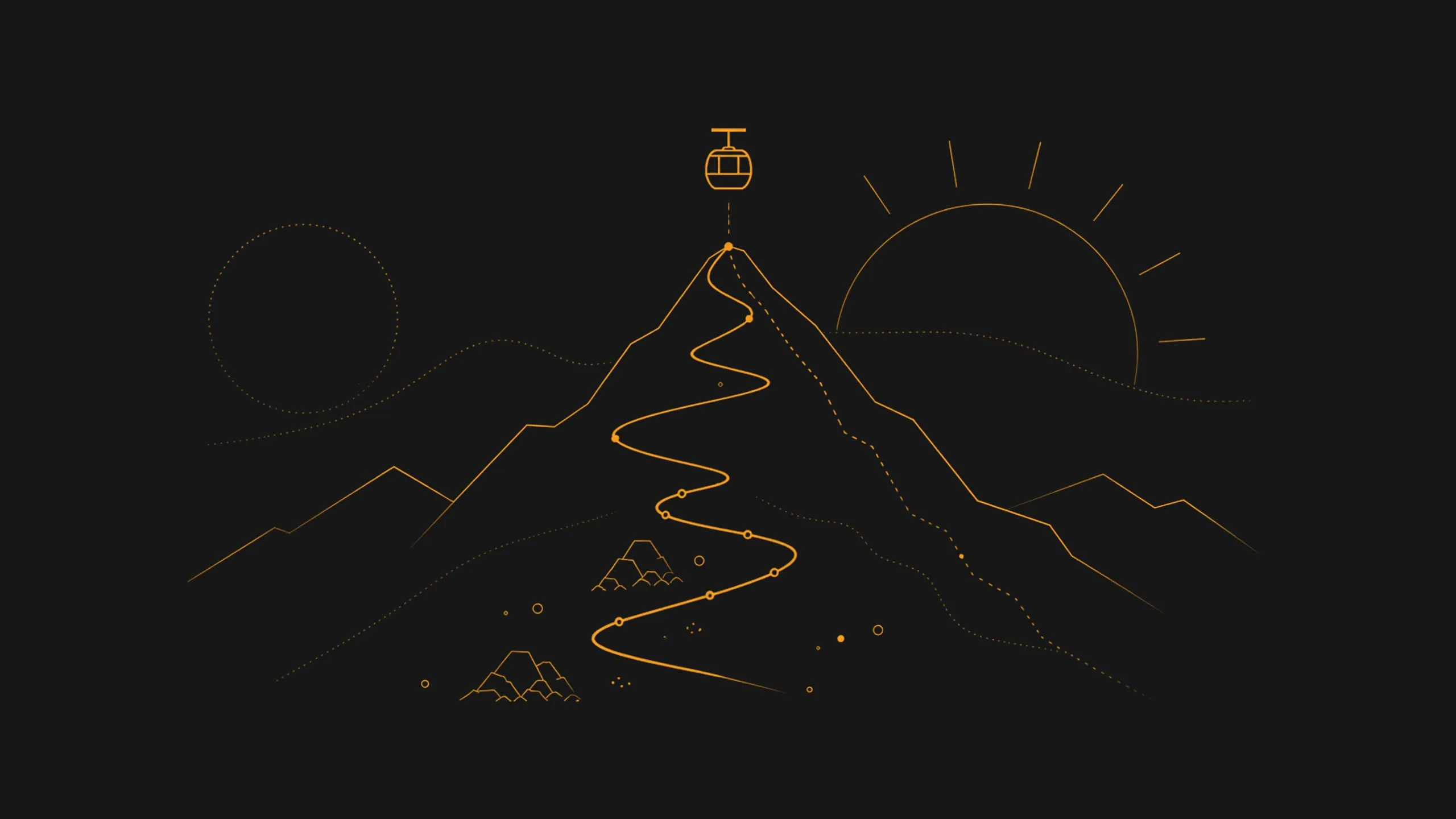
I like hiking. Uphill, that is. The trail is often rocky, sometimes exhausting, sometimes surprisingly beautiful. There is plenty to discover. When I reach the top, the view is only part of the reward. The other part is in my legs: the stumbling, the catching my breath, the conversations along the way. Nature. The way up is part of the goal, and it has shaped me a little. Of course I could have taken the cable car. Comfortable, fast, efficient. The view at the top is the same. Or is it?
The same thing can happen to us with artificial intelligence. We type in our prompt, and poof, there’s the output. Polished text tailored to our context. In exactly the style we asked for. Or finished code. Or test cases derived from requirements. Goal reached.
Is the Output All We Care About?
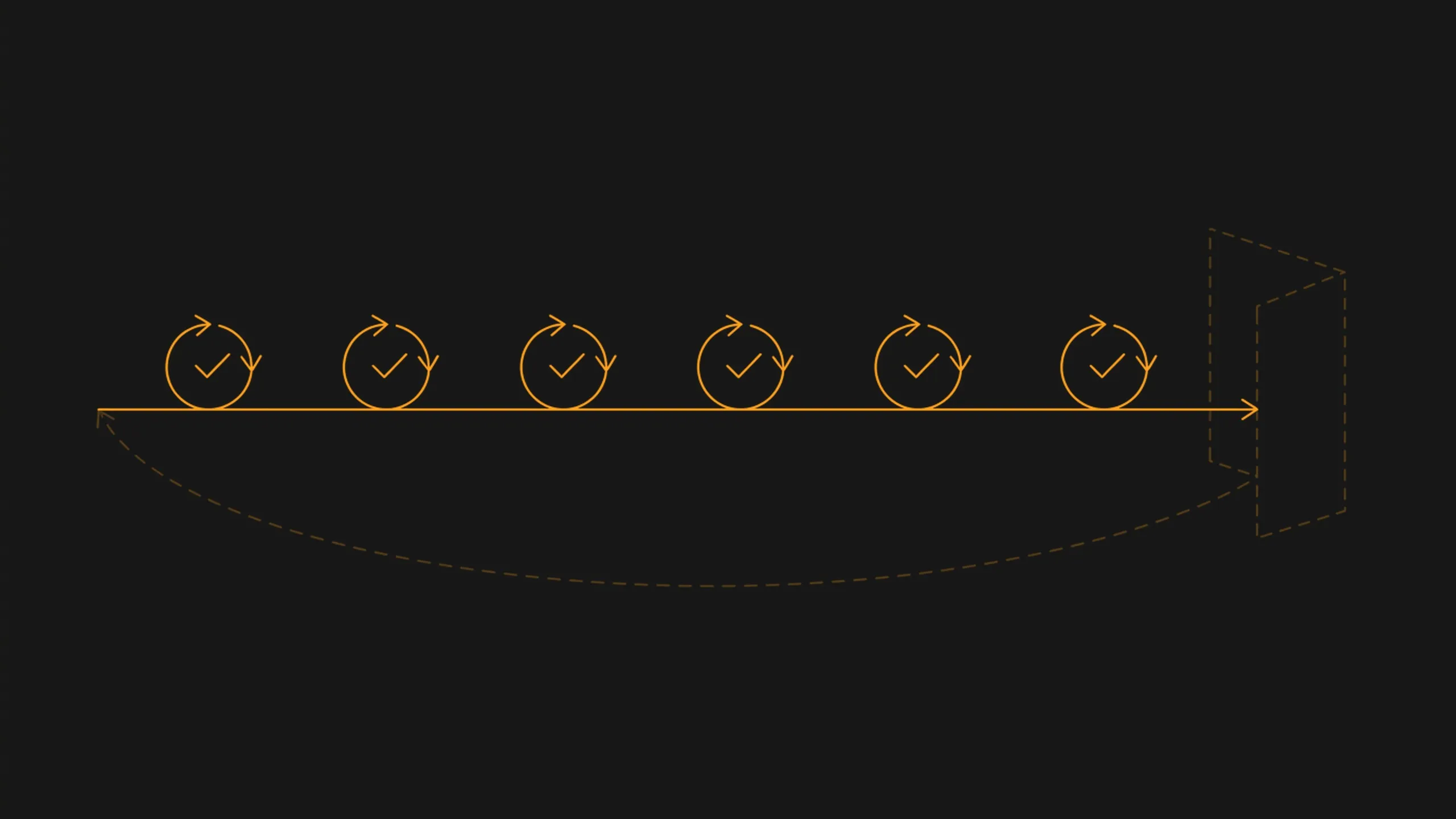
But is the output really all we care about? I think we need to be careful here. Because a lot gets lost along the way: wrestling for clarity, learning from mistakes, mulling things over, thinking creatively and sideways. And it is exactly this process that sharpens our thinking, helps us grow and lets us understand more deeply what it is really about.
I could probably write this column with AI, too. But what would I get out of it? For me, this is about engaging with a topic. Kneading thoughts through the folds of my brain. I don’t want to miss that, because it produces more than a column. It produces a whole pile of new ideas, approaches, abstracts and so on, and they move me forward again.
If I just let AI generate code, what do I learn? But if I debug my way through my own bad code, that’s when I learn to program.
Or take something that’s a hot topic in software testing right now, discussed and tried out everywhere: deriving test cases from requirements. Hooray. Ten new test cases, just like that. But let’s look at the tester’s role for a moment. Writing test cases isn’t really the main job. It’s about communication, about asking questions (critical ones included), about informal networks and about what stakeholders need for good quality. I know many testers who have the best overview in their projects and companies, who know absolutely everyone and whom even developers ask how things fit together. Why? Because as a tester I have to run around to understand. To get the answers I need for my test cases. And everything I learn about a system helps me test it better. If I only generate test cases, I miss a big slice of that experience pie.
The Way Is Part of the Goal
Don’t get me wrong. I like AI. I use it a lot. To think my ideas further … as a critic of my own thoughts and above all so I don’t fall for my blind spots, the ones I’m so good at ignoring. It’s great how often my colleague GPT sets me straight. Trying things out matters here, too, and it’s the right thing to do. And automating dull routines: yes, please!
But let’s stay alert to what we use these tools for. Higher, faster, further? Even more self-referential content? Heaps of low-quality stuff? I think that’s the wrong direction.
Maybe all this AI fuss will end up making us a bit more human again. Simply because we like to learn, be creative, explore, make mistakes, fix mistakes and keep developing. That’s something AI can’t take off our hands. (Yet.)