
Testing as a Craft: Deviations Drive the Product Forward
Testing as a craft survives full automation: its outcome depends on the skill of the people doing it. Teams set their quality level consciously.
Thoughts and insights on software testing, quality assurance, and the future of technology.
Testing as a craft survives full automation: its outcome depends on the skill of the people doing it. Teams set their quality level consciously.
T-shaped testers who span requirements, architecture, development and DevOps: that is software testing of the future. ML systems need new approaches.
Quality coaches shape the software testing of the future. They make quality a team value, even as continuous delivery speeds everything up.

Focus control breaks the problem trance. Pattern interrupters, an upright posture and the improv rule "Yes, and" shift a team's attention to what works.

Future optimism is a deliberate mindset: shifting focus from problem trance to a positive narrative opens up better solutions for teams and society.

Technology as a tool or algorithmic surveillance with a social score? Politicians and corporations won't fix it, so change has to start with each of us.

Everyone has their own model of the world, built from experience and values. Why agility doesn't fit every company and what Netflix shows about rules.

Some teams adopt DevOps within weeks, others give up after a year. The reason lies in the unconscious, shaped by a lifetime of experience.

Agility alone does not answer the challenges of the future. As a framework for personal development, it makes people, teams and companies resilient.

Data warehouse testing needs more than plausibility checks. Assertions generated automatically from transformation rules make results checking reliable.
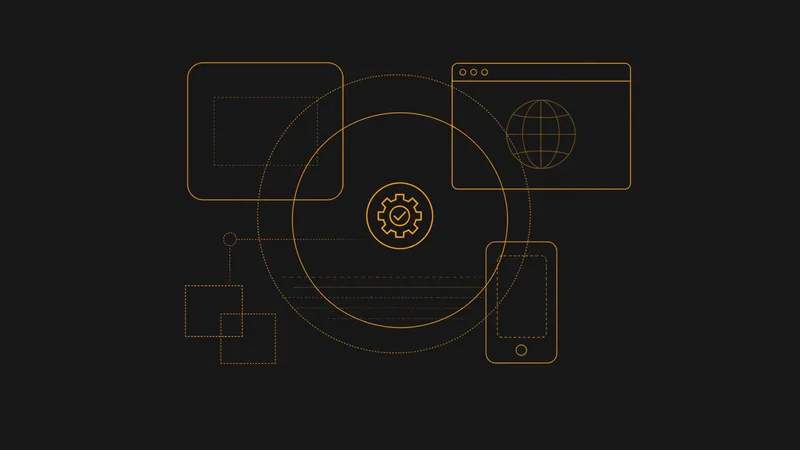
Types of systems, from desktop and client-server to web, mobile and data warehouse, decide how you automate tests and which tools fit at all.

Test automation pilot projects work best with the three top-ranked tools. Phase two covers one department, phase three the company-wide rollout.

Agile testing works when the whole team owns quality. Automation alone won't fix it, but patience, freedom for testers and honest retrospectives will.

Automated test design spans five levels, from capture & replay to model-based testing. Higher levels pay off when frequent changes drive up maintenance.

Agile test management keeps its tasks even without a test manager. Which quality tasks remain in the team and how to share them without knowledge silos.

The Agile Manifesto turned 20 and agility now reaches far beyond software. It remains a mindset that no guru, dogma or purchased framework can replace.

Software quality becomes a team attitude in stages: from testing basics via reflection and experiments to a culture where testing is part of the work.

Agility is older than the Agile Manifesto. Its values are less about efficiency than about keeping teams able to act in a volatile, uncertain world.