AI for Testers: Why Good Testers Won't Be Replaced
AI for testers helps with analysis, test cases, bug hunting and test data. Weak testers may lose out, good ones build AI into the way they work.
Thoughts and insights on software testing, quality assurance, and the future of technology.
AI for testers helps with analysis, test cases, bug hunting and test data. Weak testers may lose out, good ones build AI into the way they work.

Software teams reach their goals through real effort, not daily busy work: paying down technical debt, deleting old code and slimming processes.
Software security awareness decides whether users trust digital services with sensitive data. Security requirements and tests alone won't get you there.

Empathy and self-awareness are what AI cannot reach. Used well, it frees time for people: journalists for research, doctors for talking with patients.

The A4Q SDET certification gives developers the parts of CTFL and CTAL-TTA that matter to them, practiced on real code. Testing becomes a team skill.
Dealing with new technology like ChatGPT works best by trying it out. Banning or ignoring it costs experience, efficiency and new business.

Agility and sustainability fit together. With KISS and Lean, teams cut redundant meetings, bloated apps and features nobody needs. That takes courage.
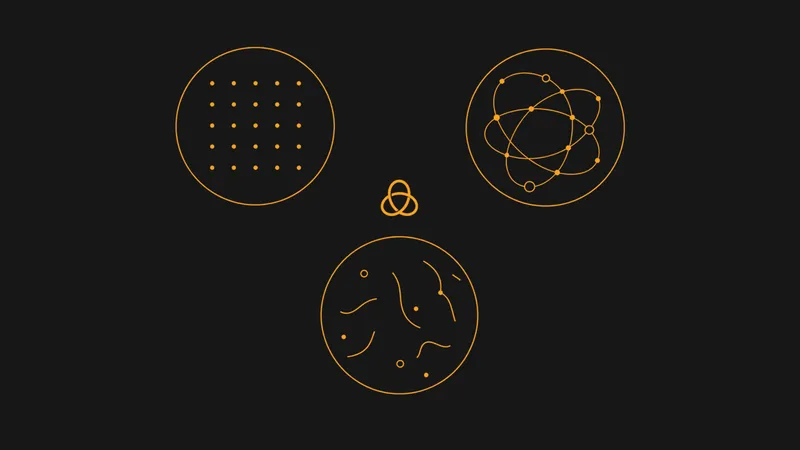
From complicated to complex to chaotic: agile frameworks tamed complexity, but they don't hold in chaos. Now intuition, flow and empathy count.
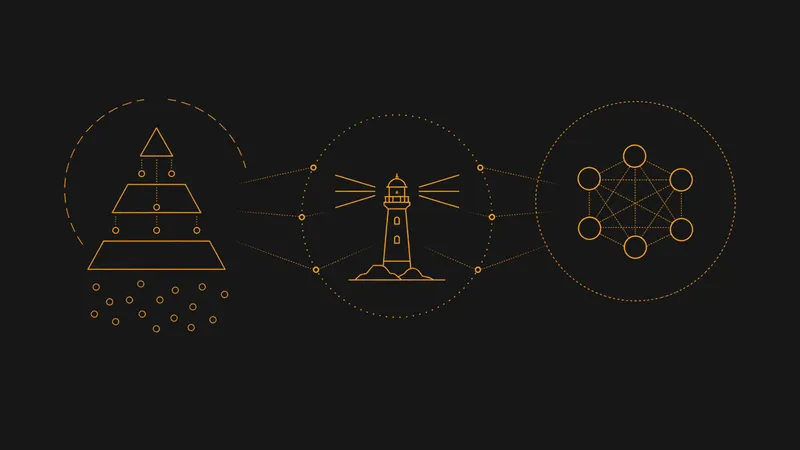
Connecting lighthouses means recognizing the strengths of experts and linking them to a shared goal, between rigid hierarchy and endless consensus.
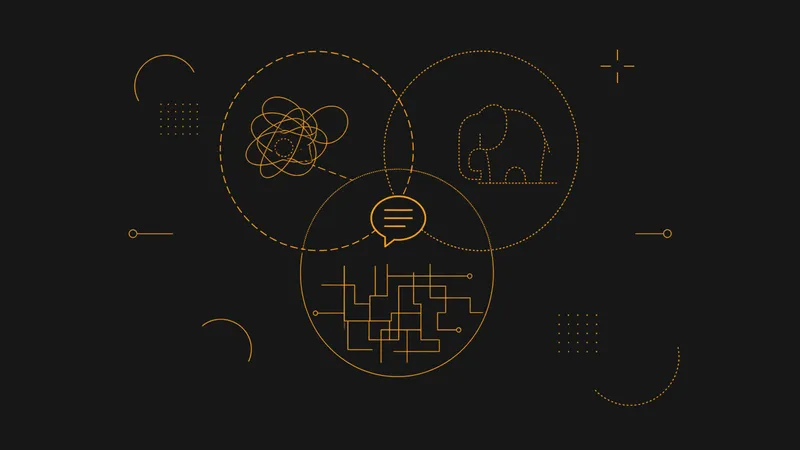
As ising means openly saying what is in the room and how you feel. That saves energy, settles smouldering conflicts and ends meetings full of excuses.

Low-code testing turns business experts into citizen testers, since software demand outgrows developers. Linked TCoEs replace the classic test center.

An alien's view of earthly rituals shows how subjective our judgment is, and why habits like slide-heavy meetings deserve a fresh look now and then.

Scenario-based testing is emerging because autonomous vehicles and robots must be tested in dynamic environments, not on a lab bench.
SDETs, coaching roles and quality engineers in place of test managers: in a truly agile setup, quality becomes a shared responsibility of the team.
Lean agile testing at scale builds on the House of agile Quality: roles, approach, tools. Next is predictive quality engineering with data and AI.
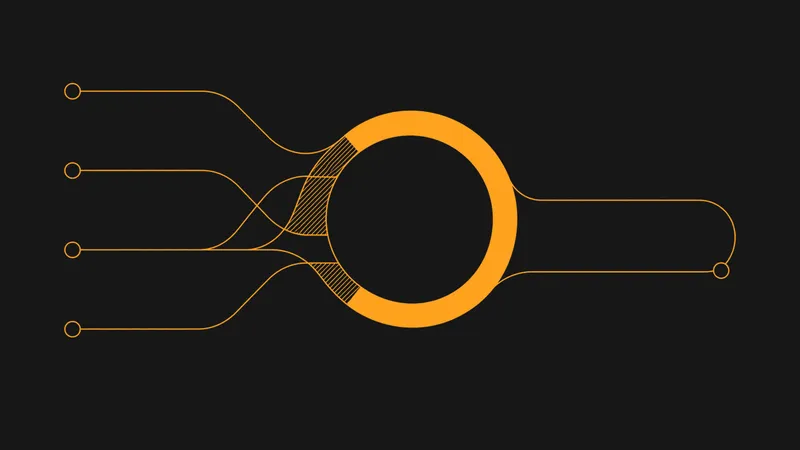
Quality culture at DB Netz means quality coaches instead of dedicated testers, and continuous testing built into the MoQ-AP CI/CD pipeline.

Testing principles and methods last longer than any tool. As testing moves closer to development and tools keep changing, mastering them pays off.
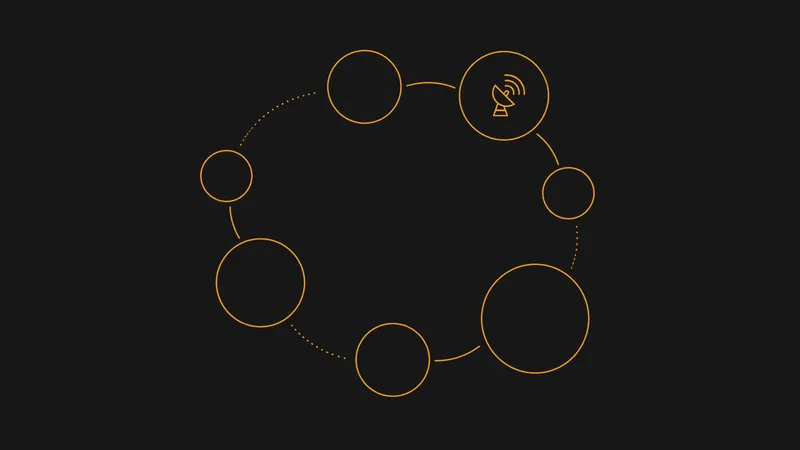
Testing in production, simulation and product certification: why the static lab test falls short and testing turns into a task for the whole team.